
How to Build a Seasonal Farm Marketing Strategy
As an Independent Farmer, staying top-of-mind with Buyers year-round is essential to consistently move inventory. By executing a seasonal marketing strategy, your Farm can successfully lock in more orders and cash flow several months ahead of harvest. Discover the four key steps to building an effective marketing strategy, from seasonal content planning to securing early Buyer commitments with pre-orders.
Step 1: Map Your Business Quarter-Over-Quarter
When planning your marketing strategy, align your calendar with upcoming holidays, events, and harvests that occur each quarter. Consider what is happening both on the Farm and in your customers' lives. Use these seasonal topics to guide your newsletter content, product promotions, and tactics for engaging new customers.
Consider organizing your quarterly marketing calendar by the following four seasons:
Quarter 1 (January, February, March): Start building Buyer anticipation with spring Farm updates, pre-orders, and launch sign-ups for upcoming subscriptions (e.g., CSA sign-ups, herd shares). Leverage holiday promos: New Year, Valentine's Day, Saint Patrick’s Day.
Quarter 2 (April, May, June): Capitalize on peak Spring / Summer demand in your ‘local loop’ by promoting Farmers markets, pickup locations, and grill bundle boxes. Lean into notable Spring holidays: Easter, Mother’s Day, Memorial Day, Father’s Day.
Quarter 3 (July, August, September): Pivot to harvest by targeting your content toward peak summer and transition to ‘back-to-school’ season with convenient Farm-to-table meals and updated fall delivery schedules. Holidays to promote: 4th of July, Labor Day, First Day “Back-to-School”.
Quarter 4 (October, November, December): Position your online store for winter demand, “stocking up” for the off-season, holiday dinner pre-sales, gift ideas, and year-round subscription sign-ups. Major holidays to leverage: Halloween, Veterans Day, Thanksgiving, and Christmas.
Don’t let the months constrain you; adjust these quarterly groupings to match your Farm’s local climate and fulfillment schedule.
Step 2: Get Ahead Of The Seasons With Pre-Sales
Once you have determined your seasonal schedule, start identifying what will be harvested, processed, and sold each quarter. Then pinpoint which items you can pre-sell one or two quarters in advance to secure early cash flow and Buyer commitments for your Farm.
Popular items to pre-sell include:
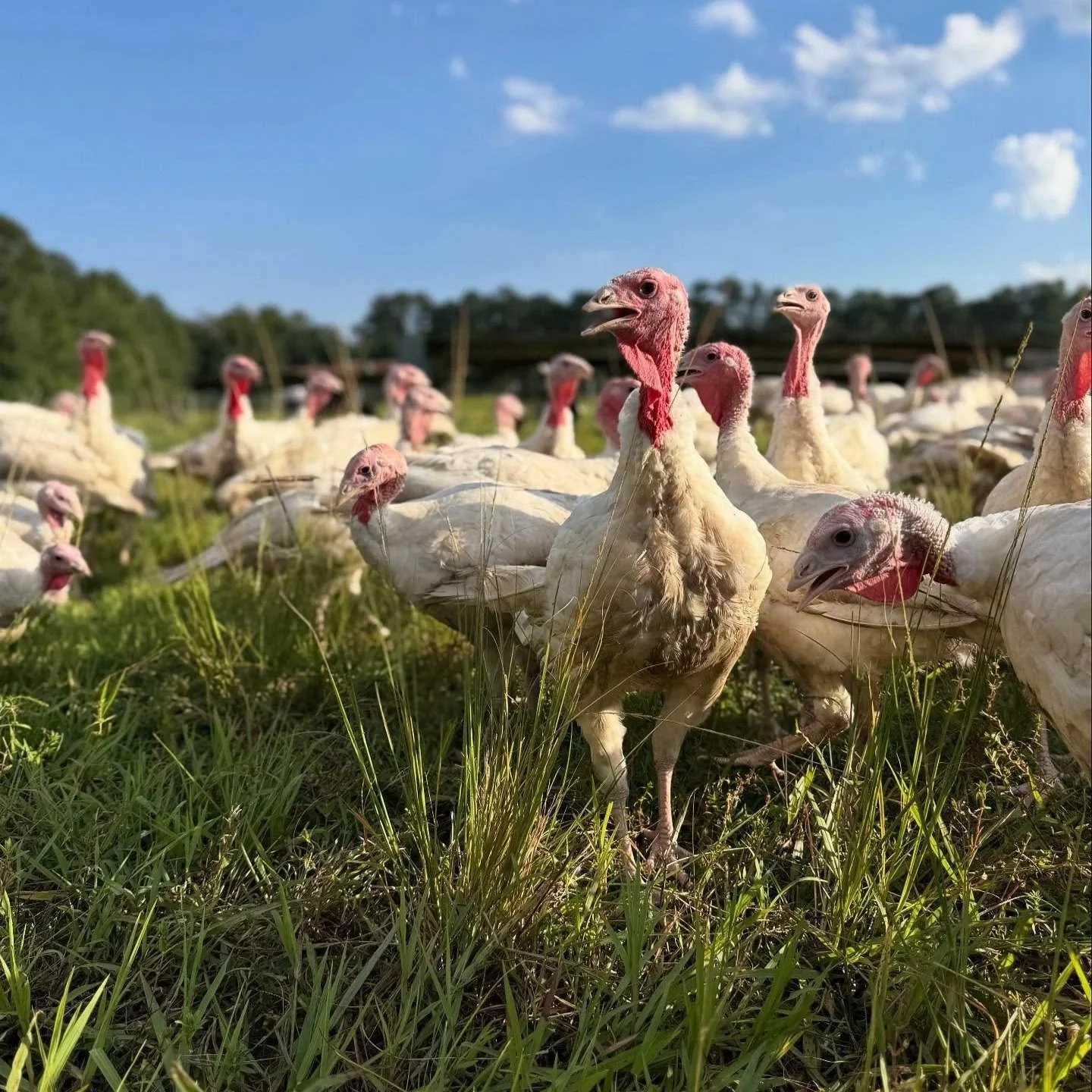
Seasonal Harvests: Turkey and pork deposits – harvested and prepped for delivery or pickup in November or December (just in time for the holidays) – can be readily reserved and/or purchased starting in early summer.
Bulk Sales: If you are selling quarter, half, and whole animals (e.g., beef, pork, poultry, lamb), you can encourage Buyers to reserve with a deposit up to six months in advance.
Subscription Deposits: Whether you're selling fresh produce, a meat bundle box, dairy subscriptions, or seasonal flowers, all of your seasonal subscriptions can be pre-sold using pay-upfront and/or pay-as-you-go options, allowing your Farm to capture significant cash flow months ahead of next season.
Step 3: Attract and Retain Loyal Buyers
Once you have mapped your seasonal priorities, establish a strategy to consistently acquire and retain loyal Buyers. While Buyer volume may fluctuate with the season, consistent communication is essential to fostering relationships and staying top-of-mind year-round.
Consider implementing the following seasonal tactics to keep Buyers engaged with your Farm:
Spring/Summer/Fall/Winter: Newsletters and social media should be your year-round, persistent means of promoting your brand story. Utilize both to keep current Buyers engaged and informed about Farm offerings (e.g., pre-sales, in-person events, pickup locations, delivery schedule information, promotions).
Spring “Arrivals”: If you're hatching chickens or welcoming new calves, piglets, goats or sheep in the Spring, these present great “on-Farm” events for Buyers to come learn more, build a deeper relationship with your business, and secure upfront deposits.
Spring “Starters”: If you have a wide variety of starter plants - fruits, veggies, flowers, herbs - these present great “on-Farm” events for Buyers to come learn more, purchase starters for their own gardens, and secure upfront CSA sign-ups.
Summer/Fall: Partner with a restaurant for a Farm-to-table dinner, ask a coffee shop to host a pickup location, or invite vendors to your Farm for an event. Additionally, offer on-Farm tours to educate your community on what it means to grow nutrient-dense food locally.
Spring/Summer/Fall: Leverage in-person engagement at Farmers markets by handing out flyers with your website URL or a QR code that links directly to your sign-up page. Seamlessly capture emails for free at checkout with the Barn2Door POS.
Step 4: Maintain Marketing in the High and Low Seasons
Marketing is a year-round activity for every Farm, even if your inventory is seasonal. This will help your Farm reach more Buyers who are seeking local food and drive consistent sales in the off-season. When you do have a lighter season, this is a good time to promote your Farm brand, build your customer list, and deepen relationships with existing Buyers.
Pro Tip: Successful Farmers go from selling holiday items in the fall and winter to selling early-bird CSA sign-ups in January and February. Map monthly product promotions continuously so your email and social media content remain timely and compelling!
Learn More: Pay Less, Make More: Farm Marketing Guide
Conclusion
To keep your Farm brand top-of-mind, build a consistent marketing schedule that turns seasonal Farm activities into early Buyer commitments. From organizing your quarterly calendar to aligning pre-sales with harvests and holidays, your Farm can capture predictable revenue, build a more loyal customer base, and sell out of inventory year-round.
Barn2Door provides Independent Farmers with the software to make more money, ditch the office work, and look like a pro. If you’re curious to learn more, watch this 5-minute video.