
Key Variables that Impact the Cost of Direct Delivery for Your Farm
In today’s convenience-first world, the ease in which a Buyer can receive their food is just as important as the quality. As online ordering has become mainstream, direct delivery has shifted from a "luxury" to a standard Buyer expectation. Americans are increasingly demanding that consumer products arrive at their doorsteps, including full transparency of when they can expect to receive their orders.
For Farmers, meeting these Buyer expectations isn't just about customer service—it’s about increasing loyalty, fueling growth, and ensuring the long-term viability of your business. Data shows that Farmers who offer the convenience of delivery earn 2x+ in average monthly revenue, versus Farmers that do not. You should expect that all of your Buyers will be routinely solicited by other Farmers offering the convenience of direct delivery.
How can your Farm compete? Especially given that there is no such thing as "free" delivery. While billion-dollar companies (e.g., Amazon, Instacart) have primed customers to pay for delivery service fees of $9.95 to make the grocery venture profitable, Farmers must account for their unique operations and play to their strengths in local markets.
To build a sustainable program, your Farm must understand the variables impacting your delivery pricing, to ensure costs are factored into your margins based on your average order value (AOV).
1. Distance from Farmer to MSA
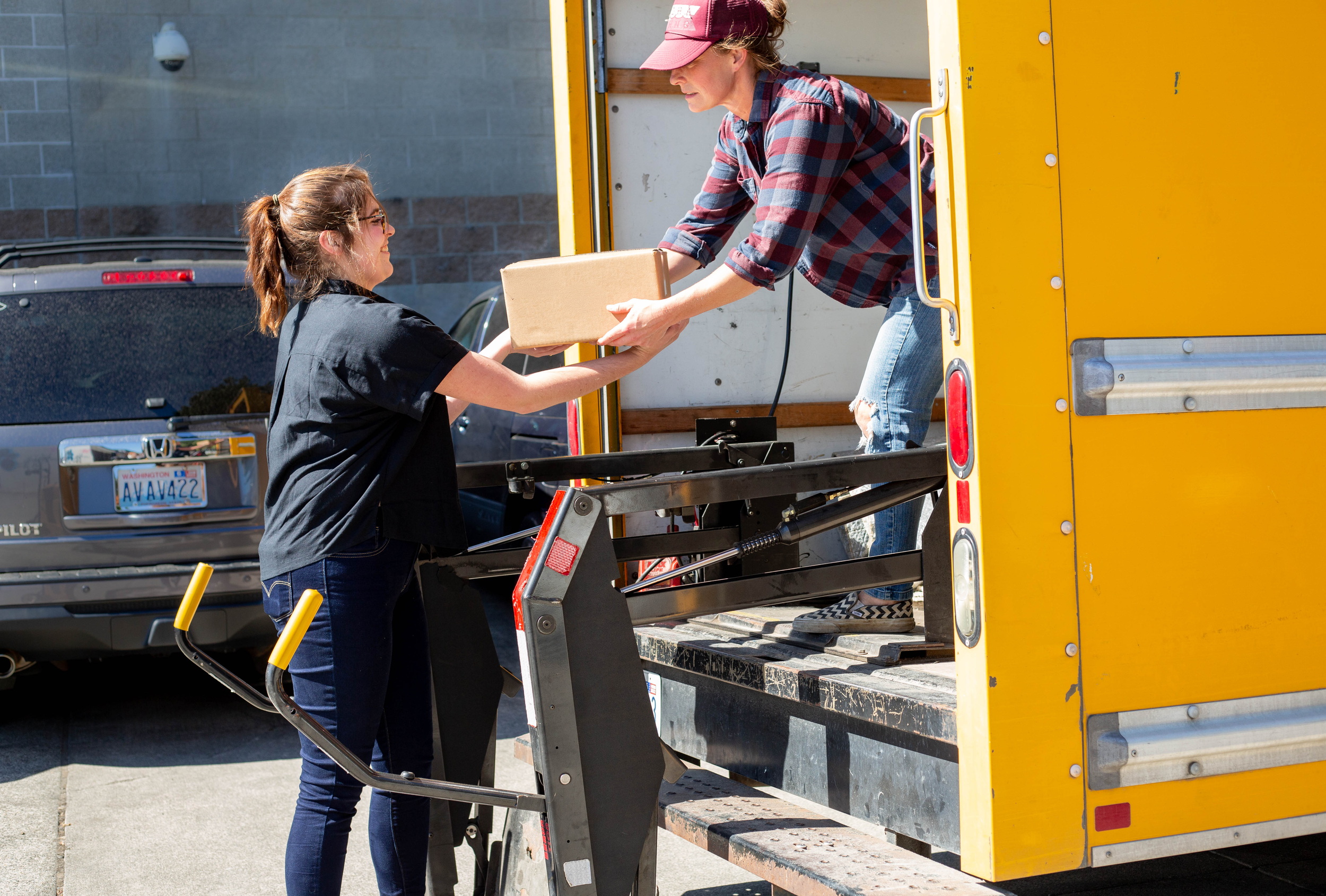
One of the most significant factors in your delivery cost is the distance from your Farm to the Metropolitan Statistical Area (MSA) or target neighborhood. Farmers typically charge lower fees for local community deliveries and higher fees for city drop-offs to account for the extra time and vehicle wear and tear.
For example, a Farm might charge a flat $8 fee to serve its immediate local community, but increase that to $15 per order for deliveries into a major city like Chicago. When determining your delivery fees, consider the distance a driver must travel and the total time it takes to complete the route.
2. Fluctuating Gas Prices
Global economic markets directly impact your bottom line through fuel costs. Because gas prices can fluctuate rapidly, your delivery fee must be high enough to provide a buffer for these changes. Successful Farmers treat the delivery fee as a tool to offset these volatile expenses, ensuring that a spike in at-the-pump prices doesn't immediately "diminish their profits".
3. Buyer Density and Quantity of Deliveries
The profitability of a route is often determined by "Buyer Density"—how many stops you can make in a condensed area.
Start Small: To keep deliveries manageable and profitable from the start, many Farmers begin by servicing a narrow subset of 3 to 5 zip codes based on their existing buyer profiles.
Minimum Thresholds: Aiming for a minimum of 20 deliveries in a specific zone helps ensure the trip is worth the time and labor.
Condensed Routes: Identifying specific neighborhoods, small towns, or city corridors allows you to spend less time driving and more time fulfilling orders.
4. Frequency and Cadence
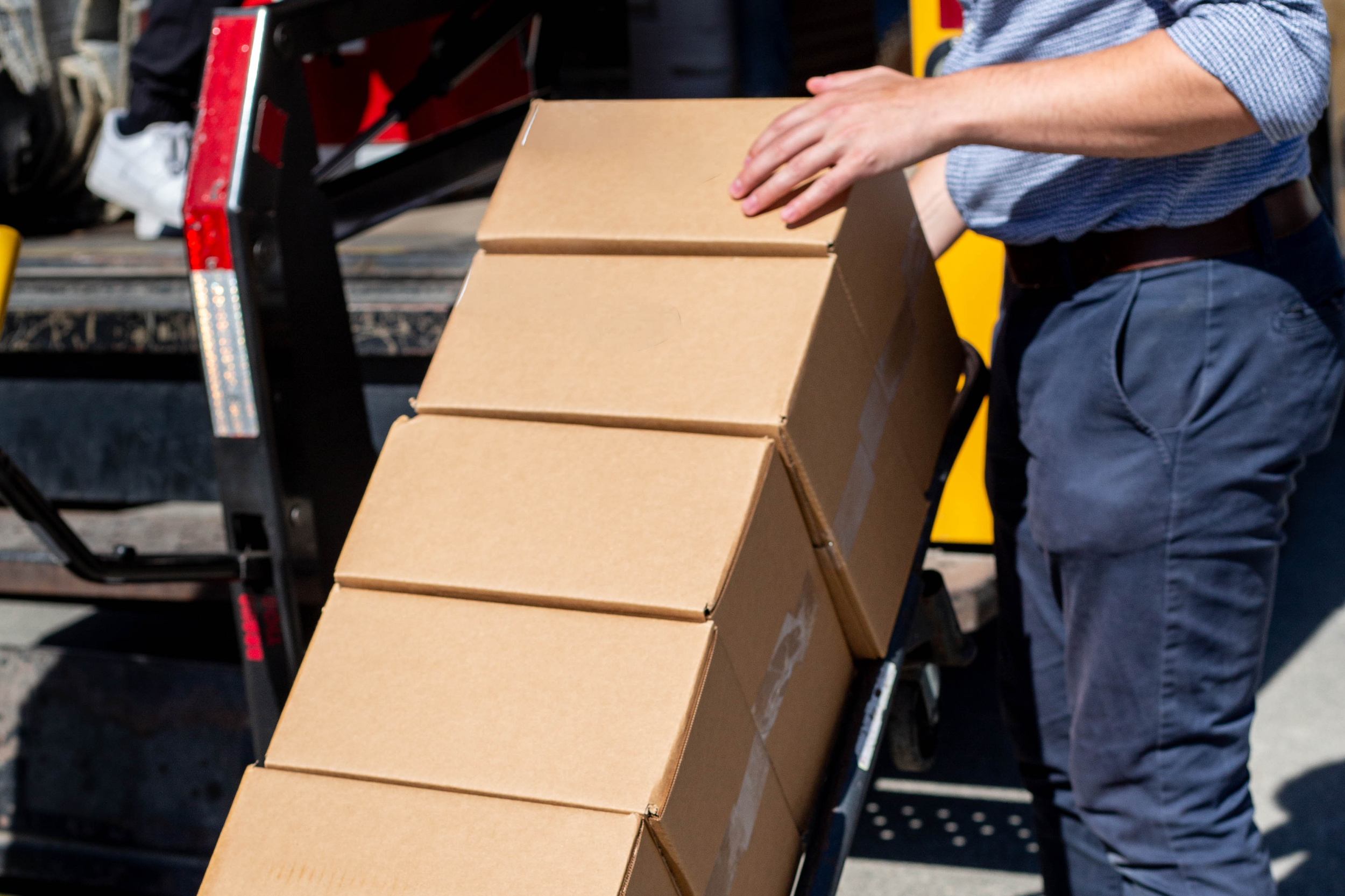
Your delivery schedule—whether weekly, bi-weekly, or monthly—plays a massive role in your overhead.
Product Demand: Items like milk, eggs, or produce boxes are often consumed daily and may require a weekly cadence.
Distance Correlation: If you are a long distance from your customers, a less frequent (monthly) schedule may be more cost-effective than making multiple long-haul trips.
Consistency: Having fulfillments occur on the same day each week or month allows you to save hours of planning time and keep it simple for Buyers.
5. Fragility and Specialized Handling
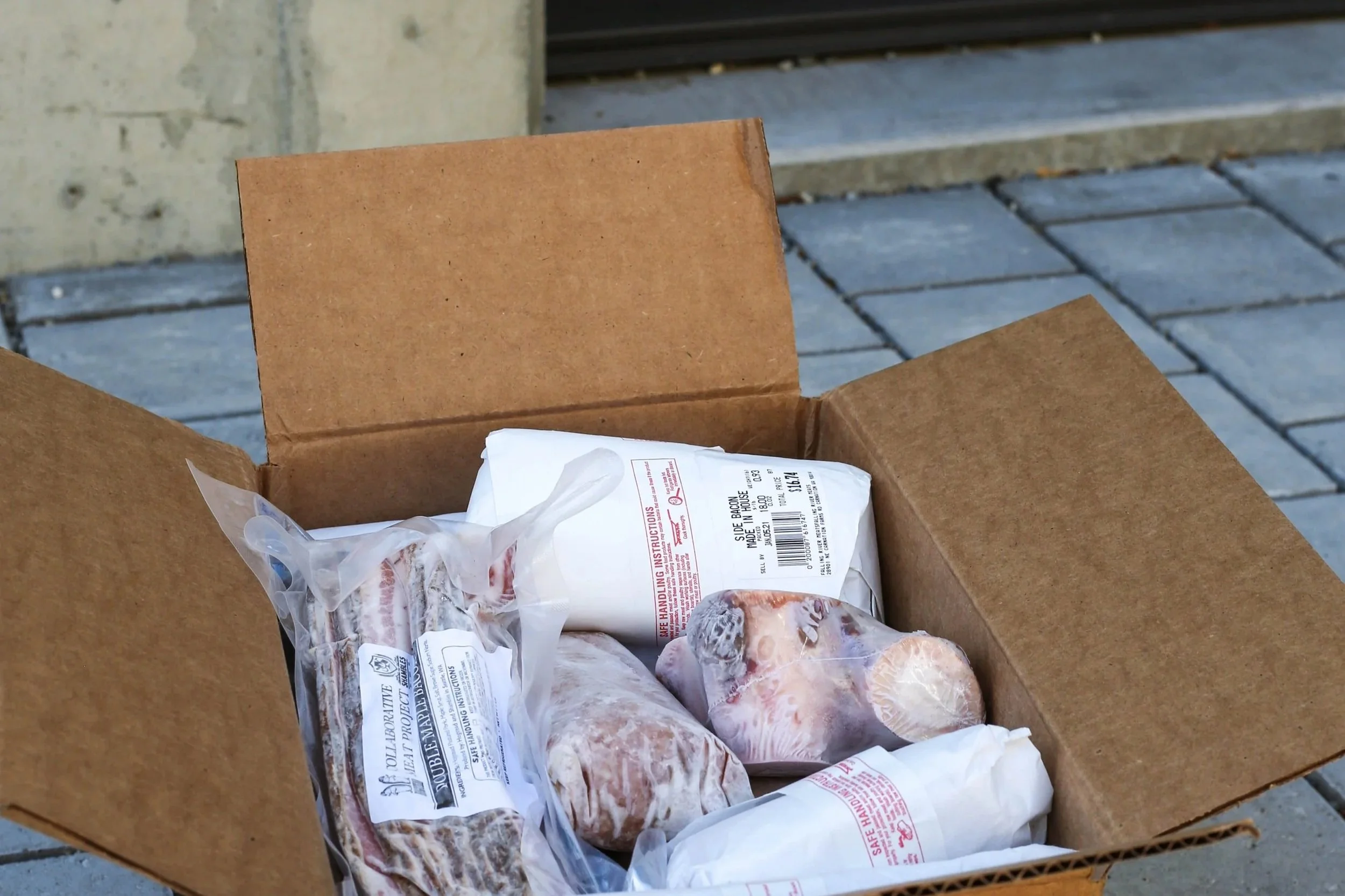
Unlike consumer product goods (CPGs) like watches or water bottles, Farm products are nuanced. They are often perishable and may require refrigeration, freezing, or precise temperature control during transit.
Packaging Costs: Delivering frozen meat or refrigerated produce requires insulated liners or dry ice, whereas bottled milk requires stable crates to prevent breakage.
Handling Requirements: The complexity of safely transporting these items should be reflected in your delivery fee, as more "fragile" or temperature-sensitive goods often require more expensive equipment and slower, more careful handling.
6. Delivery Window Requirements
If your products must be delivered within a tight timeframe (e.g. 2 hours), versus a more reasonable window (e.g. 4 hours), it can often impact your delivery costs depending on the distance and density of your Buyers. For instance, if your Farm is relatively close to your target MSA (<30 mins) and your Buyers live proximate to each other in 1 or 2 suburban enclaves, then it may be entirely possible to complete 20 deliveries within 2 hours. However, if your Farm is distant from your target MSA (60-90 mins) and your Buyers are spread-out across the city, then it may be challenging to complete 20 deliveries in 4 hours.
7. Leveraging Subscriptions to Offset Costs
One of the most effective ways to lower your delivery costs is through routine Subscriptions. When you pair Subscriptions with a consistent delivery cadence, you can optimize your efficiency and costs.
Guaranteed Orders: Subscriptions ensure you have guaranteed orders for every delivery day, making every trip revenue-positive.
Predictability: Because 90% of Buyers have consistent week-over-week purchase habits, Subscriptions allow you to predict exactly how much product (and how many vehicles) you will need in advance.
Streamlining with Pick and Pack Lists
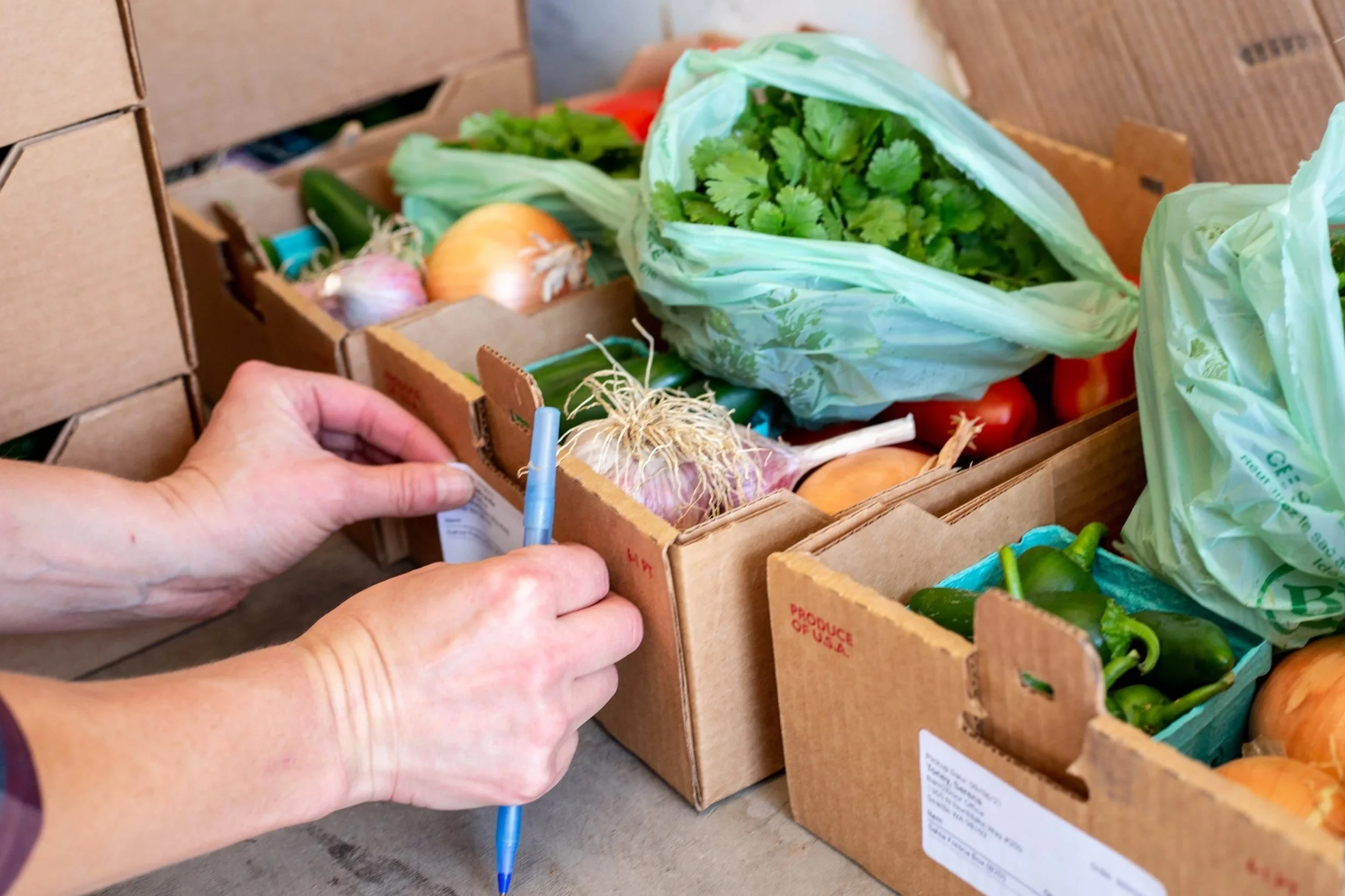
To lower the internal "cost" of delivery—your time—you need an organized system. Barn2Door’s Pick and Pack Lists eliminate the need to manually collate dozens of individual orders.
Pick Lists: Automatically aggregate all items you need to retrieve from your fields or freezers, saving hours of manual tallying.
Pack Lists: Identify exactly what needs to go into each individual Buyer's box, ensuring accuracy and reducing the stress of fulfillment day.
Using Data to Set Your Price
The first step in calculating a reasonable, profitable fee is looking at your Average Order Value (AOV). Successful Farmers often base their service charge on a percentage of the AOV:
Orders $100+: Typically paired with a $10–$15 delivery fee.
Orders $25–$99: Typically see an average fee of $8 -$12 delivery fee.
Orders under $25: Often carry a $5 minimum fee.
Generally, a delivery fee that is roughly 10% of your AOV is acceptable to Buyers. This offsets the costs of packing and delivery without the need for restrictive "purchase minimums" that might deter some buyers.
Working with Third Party Logistics (3PL) Partners
If you are using a third party delivery logistics partner (3PL) that is charging $15 per delivery, then your Farm may want to limit access to high-value products with a more significant AOV. This is a common strategy used with Meat, Produce, and Dairy Box bundles, which may be priced from $50 to $250 per order, that unlock access to lower cost items as “add-ons” (e.g., Eggs, Flowers).
In the alternative, many Farms choose to make all products available for delivery then keep their fee flat (e.g. $10), knowing that Buyers will naturally spend enough money to justify the value of convenience. More importantly, the 3PL costs readily offset additional Farm labor and investment in a delivery service altogether. When your Farm is not paying for the vehicle, fuel, maintenance, labor, taxes, and insurance, your Farm can effectively afford to pay $3-5 out-of-pocket per order, which is recouped in time and cost savings. Too often, Farmers fail to recognize the value of getting their time back on the Farm and outsourcing all of the headaches associated with delivery to a 3PL partner.
Conclusion
By accounting for distance, density, and specialized handling—and by leveraging tools like subscriptions and Third Party Logistic partners (3PLs) —your Farm can meet Buyers’ demand for convenience while maintaining strong profit margins. Delivery is a powerful revenue driver that can truly transform your business.Barn2Door offers software for Independent Farmers to make more money, ditch the office work, and look like a pro. If you’re curious to learn more, watch this 5-minute video.