
7 Hacks to Make Money on Produce ‘Throw Aways’
As a Produce Farmer, you're focused on increasing margins by harvesting high-quality items that are fresh for your Buyers. However, there are still opportunities often overlooked in the byproducts you currently ‘throw away’. Produce byproducts are still nutritious secondary materials that can become more valuable when repurposed into new Farm store items. Learn the top seven (7) ways to transform your produce into profitable byproducts to make more money, improve your sustainable practices, and reduce food waste.
#1 Stock Starter Kit
As a Farmer you have worked hard to grow and harvest high-quality products that Buyers crave. To capitalize on demand and capture more market sales, it is important to set up your Farm booth and products for success. Pre-planned and detailed preparations can help you sell more products and save time on a variety of tasks on market days.
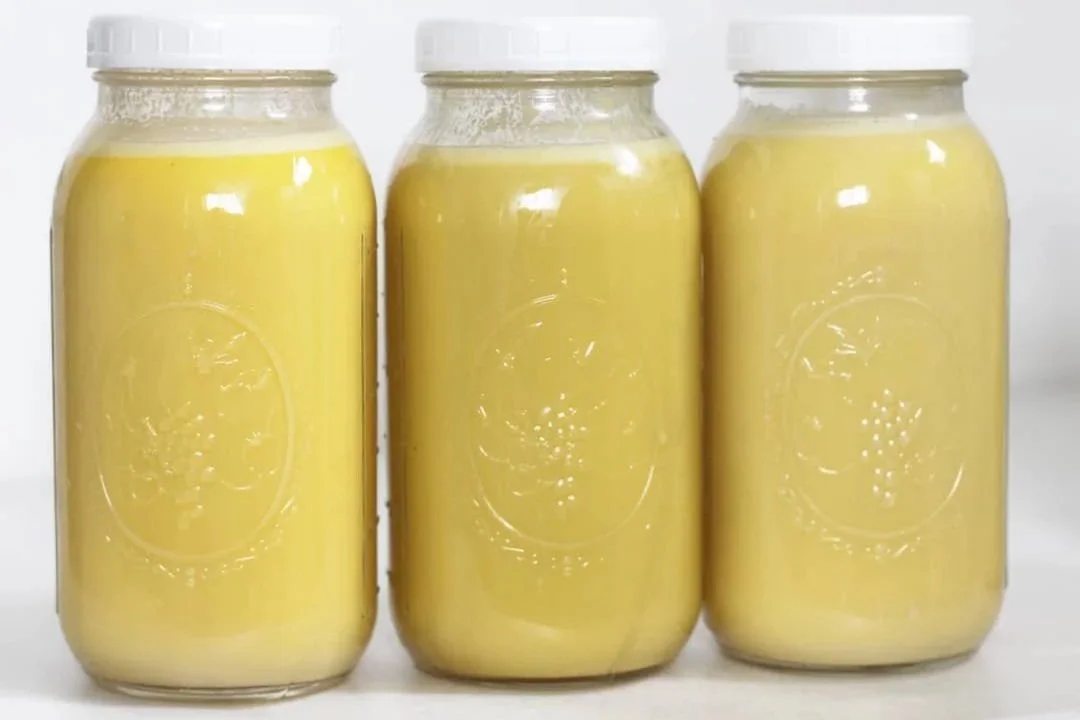
Jump into soup season by offering Buyers a ready-to-go stock starter kit, a simple way to use every part of your harvest. These kits are packed with rich antioxidants, support immune health, and add flavor to broth, which is especially welcomed during sick months of the year. To help Buyers understand the kit’s full value, provide short stock-based recipes with each package.
Simple Stock Base: Choose aromatic-based flavorings for savory stock kits, including parsley stems, a sprig of thyme, a few carrot stems, celery, and onion. Every Buyer has their own cuisine, so providing a flexible base allows them to enjoy the convenience and variety of customizing their broth.
Chicken Stock: Easily make a chicken stock kit by adding 2 bay leaves, peppercorns, and chicken carcasses, bones, chicken feet, and heads. Creating specific broth kits with product add-ons will appeal to Buyers and increase your average order values.
#2 Don’t Toss the Carrot-Tops
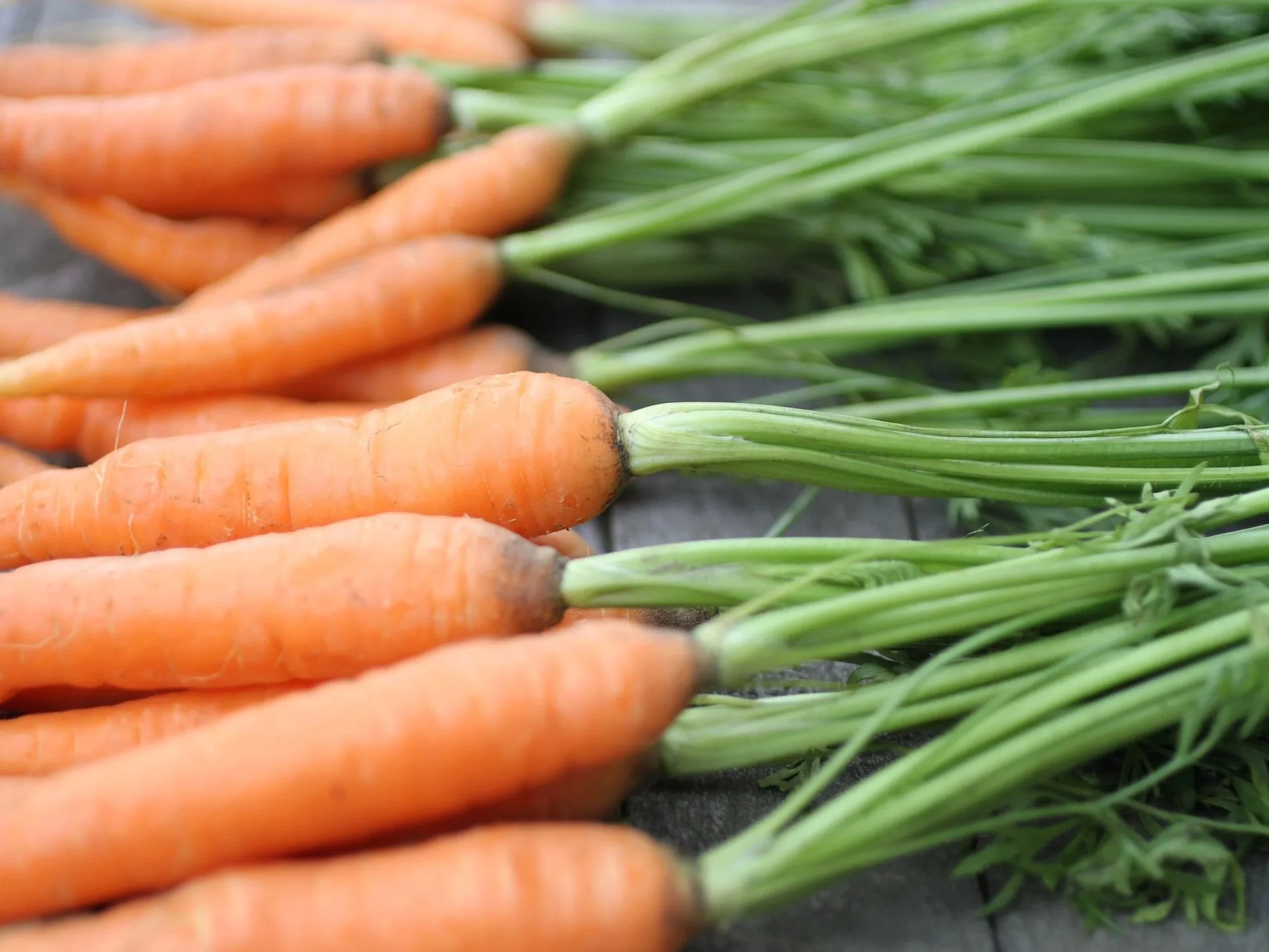
Carrot-tops are a nutrient-dense green, delivering up to six times more vitamin C than the vegetable's root. With their slightly bitter taste, the leafy foliage can easily be used as a substitute for basil or parsley. Use the green tops to create a vibrant, nutrient-packed pesto that can be easily packaged in airtight jars. Consider bundling the pesto with complementary products (e.g., proteins, seasonal produce, sourdough) in your online store to drive sales.
Carrot-Top Pesto: Prepare this dish just like traditional pesto, replacing basil with carrot-top greens. To increase nutritional value, consider replacing pine nuts with walnuts or almonds. This flavorful pesto can be mixed with pasta, stirred into soup, baked into quiches, or used as a condiment for seafood/fish.
#3 Beet Greens Are an Underrated Opportunity
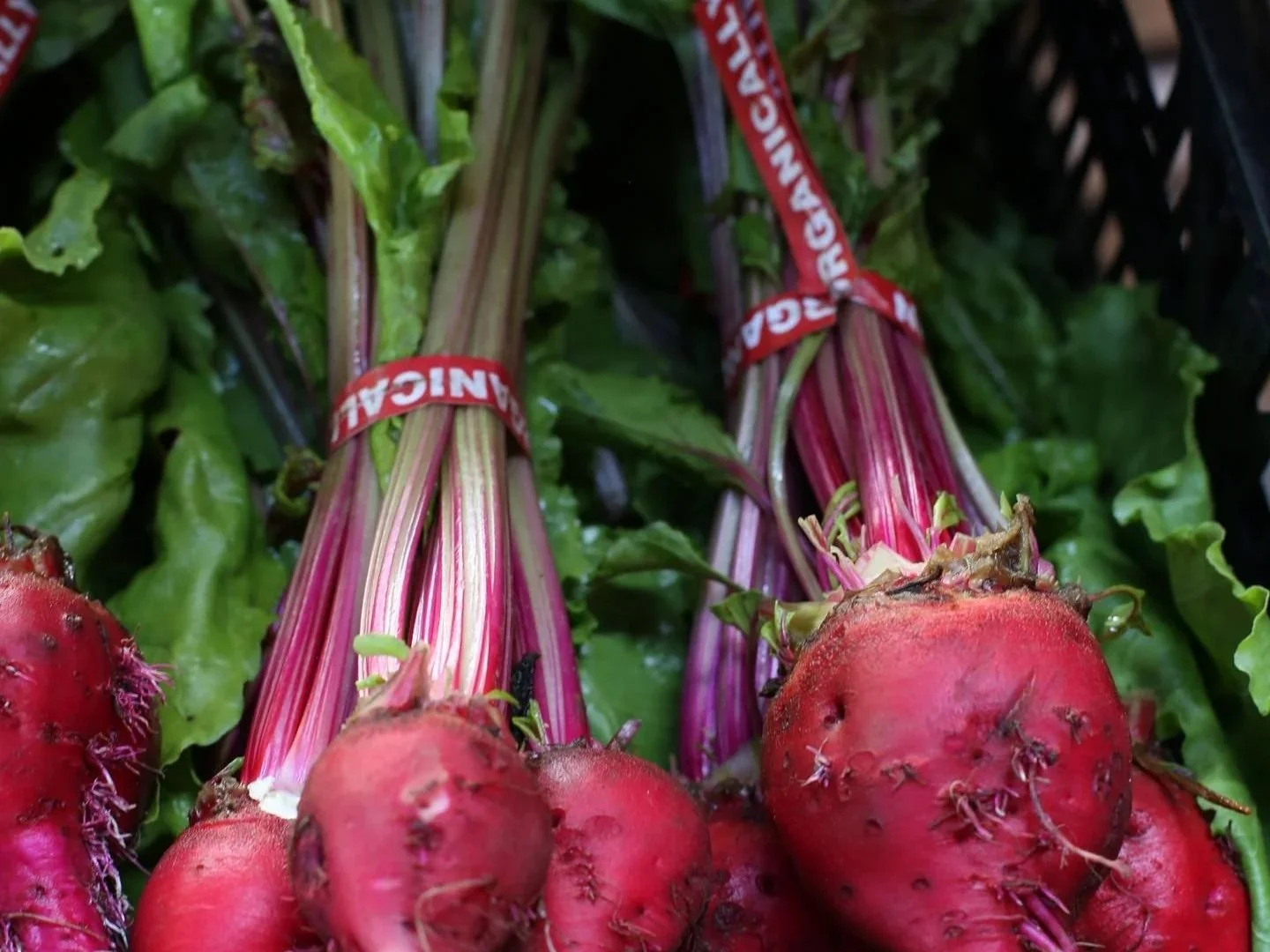
With their colorful appearance, beet greens are a highly profitable and attractive byproduct. Higher in iron content than spinach, they are an excellent source of fiber and rich in anti-inflammatory properties. Position your beet greens similarly to how you would a bunch of spinach. Encouraging Buyers to use them in the same ways, with a focus on highlighting the stronger nutritional benefits compared to the normal green.
Preparation Method: To maximize shelf life, it is best to leave the beet greens attached to the root until they are ready to be sold. Keep the leaves dry until the Buyer purchases the product for use. These fresh greens are best within 3-5 days, but can be stored long-term in a freezer-safe container for smoothies or steamed dishes.
#4 Nutritional Value From Root To Stem
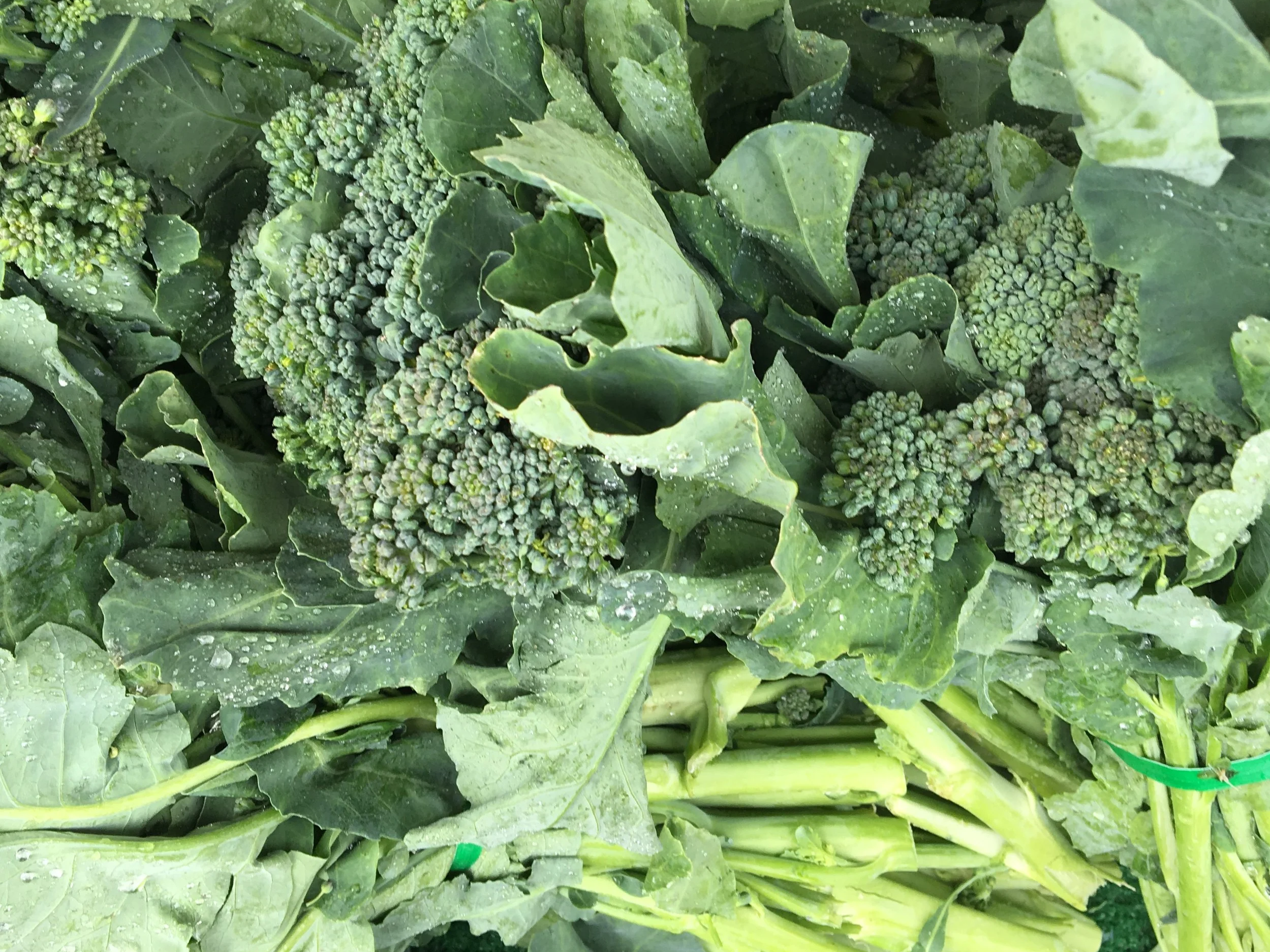
Don’t let your chopped leftovers go to ‘waste’, utilize your vegetables from root-to-stem. Most stems contain more vitamins, minerals, and fiber than the root itself! Capture the full value of your vegetables by pairing different stems to offer Buyers a flavorful, all-in-one nutritional product they can incorporate into their home dishes.
‘Ready to Saute’ Packs: Just as you would with regular leafy greens, chop vegetable stems into ‘ready to saute’ packs. Package nutrient-dense stems together - such as kale, chard, broccoli, and cauliflower. Sauté with onions, equal parts butter and olive oil (or pork lard if you have it!). This creates a hassle-free solution for Buyers to include more greens in their diet by popping into a quiche, soup, or pasta. By branding these as ‘10-Minute Meal Starters,’ you can transform overlooked vegetable stems into a high-convenience solution for busy families looking for a quick, healthy weeknight dinner.
#5: ‘Go-to’ Seed Packets
If you have herbs that ‘go to seed’, let a few go further! Gather these valuable, naturally produced herb seeds and package them into small Farm-branded envelopes. This offers an easy-to-store, cost-effective product that Buyers will appreciate for their upcoming planting season. While also turning your naturally produced resource into a profit.
Suggested Seed Packets: Focus on collecting popular herbs that go to seed, such as dill, cilantro (aka coriander), onions, leeks, and carrots. Be sure to label the envelopes with instructions detailing proper planting depth, spacing, and care for successful results. You can position your seeds as an ‘Heirloom-product’ or ‘Stocking Stuffers’ to maintain brand awareness and capture extra revenue during the winter months when fresh produce is limited.
#6 Preserve Your Herbs
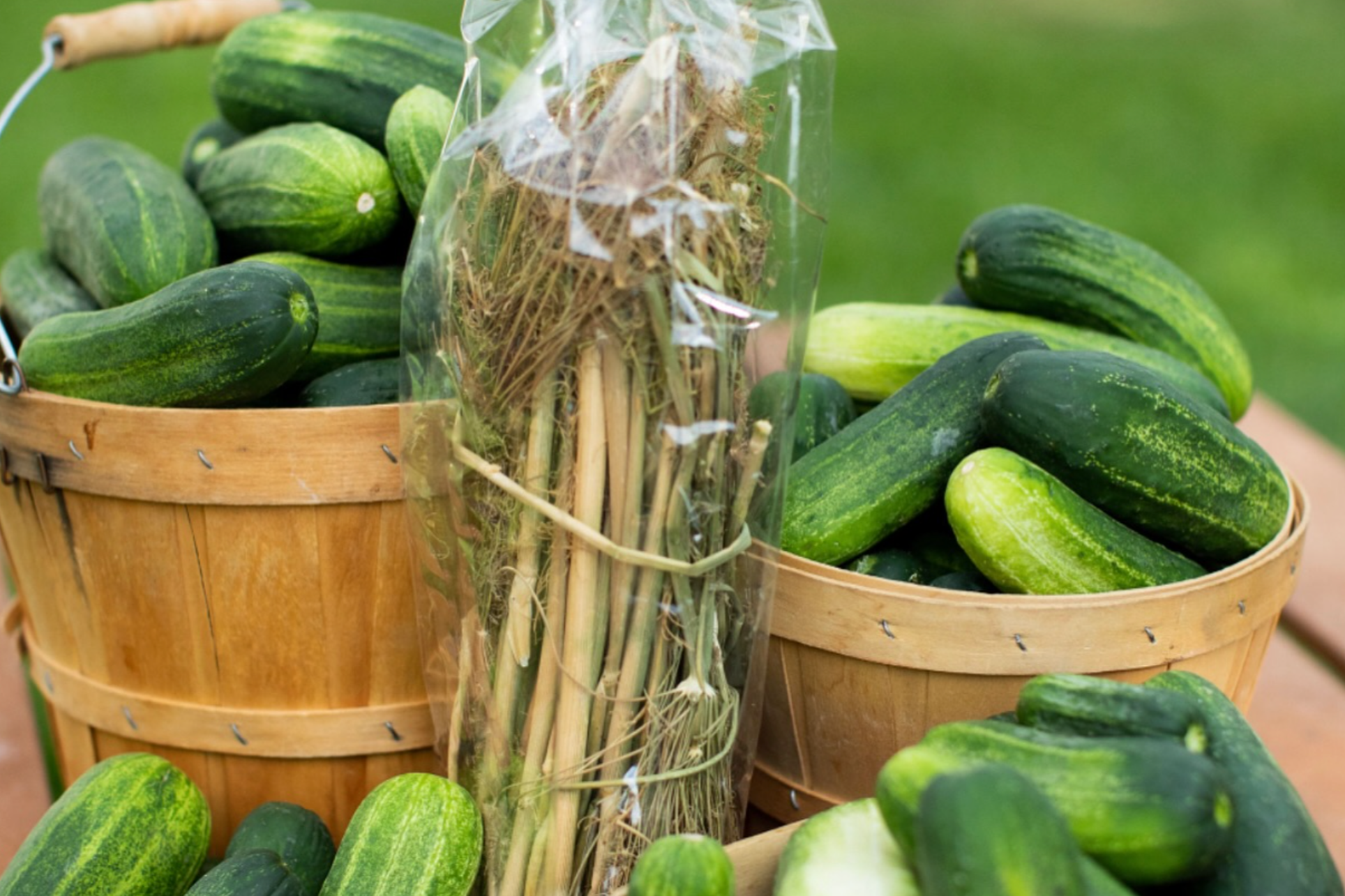
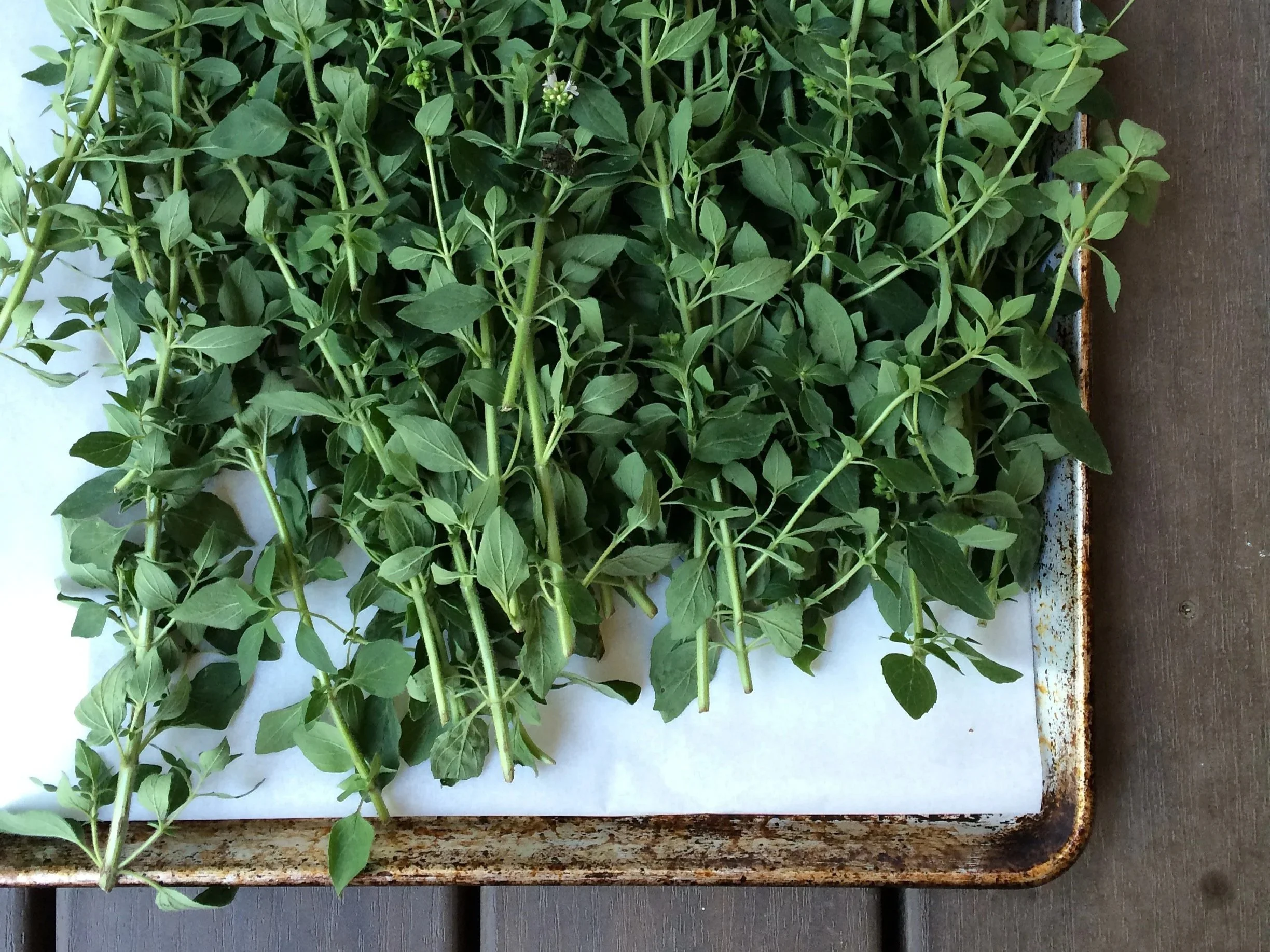
Don’t trim back your hardy herbs - oregano, rosemary, sage, or thyme - instead transform your overgrown products into a preservable seasoning for Buyers. Herbs provide high levels of antioxidants, not to mention adding a natural flavor that enhances any dish. Simply set up a drying rack or dehydrator to dry the herb trimmings. Once dry, crush and sell each herb in airtight jars or labeled packets.
Seasoning Packets: Increase your profit margin by combining different herbs and spices to create unique seasoning packets, such as chili powder, dry meat rubs, curry powder, and taco seasoning. By packaging dried herb blends as artisanal 'Hostess Gifts,' you transform a simple harvest byproduct into a year-round pantry staple that Buyers can enjoy long after the main growing season has ended.
#7 From Peel to Profit: Repurposing Tomato Skins
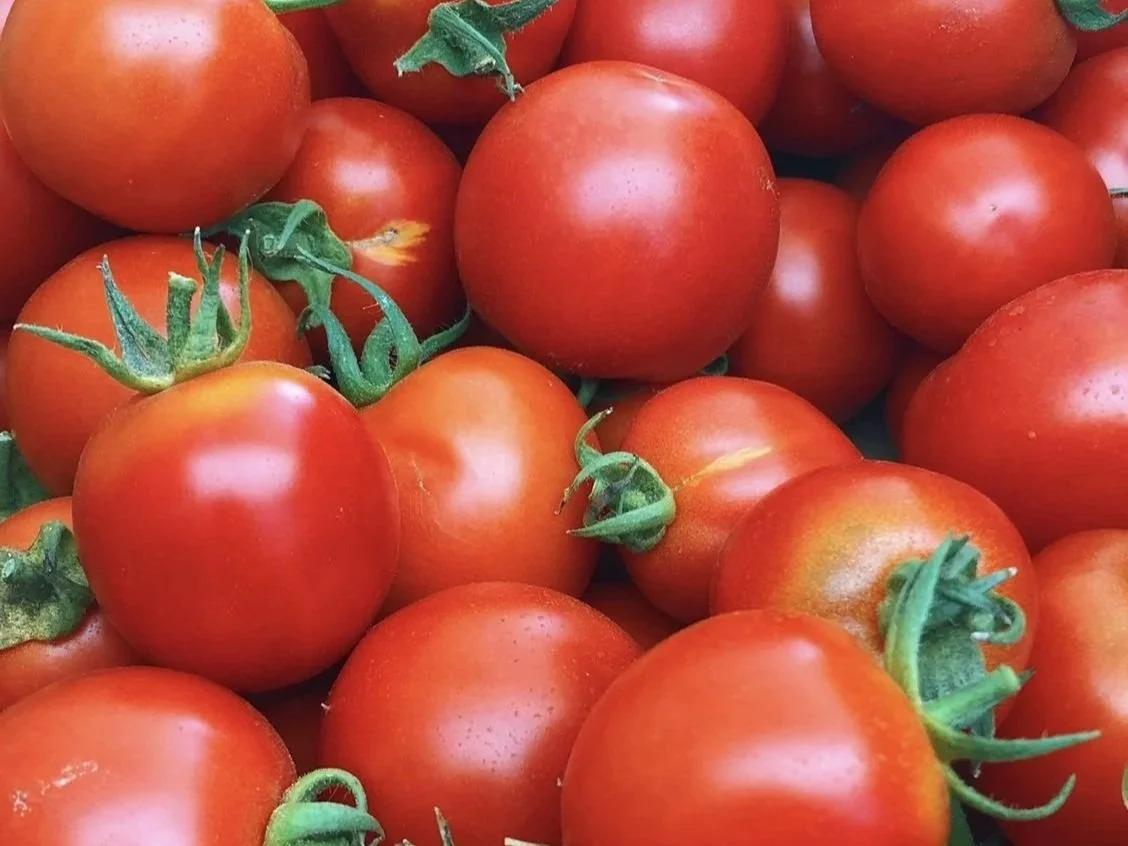
When canning tomatoes, don’t discard the nutrient-rich skins! Tomato skins are a natural, anti-inflammatory byproduct, rich with antioxidants. Instead of wasting them, simply dry your tomato skins in your oven on low, in a dehydrator, or in the sun. Once completely dry, pulverize or grind them into a powder-like mixture for a versatile product.
Italian Seasoning Salt: Combine tomato skin powder, salt, dried garlic, and dried oregano to offer Buyers a “Italian Seasoning Salt”. This simple packet can be a perfect add-on for Buyers to utilize in any pasta dish for a fresh, tomato-based flavor.
Tomato Paste: Mix your tomato skin powder-like mixture with an equal amount of water to make an organic tomato paste base. This makes a quick addition to stews, roasts, and can thicken sauces.
Conclusion: Making Sales Out Of Produce ‘Garbage’
Maximize your margins from root to stem by transforming your ‘wasted’ byproducts into profitable items that appeal to Buyers. Much like traditional harvested items, Produce Farmers can move more inventory by bundling and branding parts of the plants that are traditionally ‘thrown away’. With these seven (7) ways to expand your produce margins, you can reduce food waste, increase average order values, and make more money.
Barn2Door provides Independent Farmers with the software to make more money, ditch the office work and look like a pro.Curious to learn more? Watch this 5-min Demo.