
Maximize Your Margins: Packaging and Pricing Strategies for Independent Farmers
As an Independent Farmer, you want to cut out the middleman and maximize profitability for your Farm business. To succeed, you must shift your focus from production alone to how you position, price, and package your Products for local Buyers. Packaging and pricing are not just logistical details; they are powerful tools to increase your Average Order Value (AOV), improve profit margins, and secure repeat customers.
James Maiocco, Chief Operating Officer of Barn2Door, recently sat down with Ryan Grace, a Barn2Door Account Manager, to discuss the data-backed tactics successful Farms use to grow. Ryan works with Farms across the country daily, auditing stores and sharing best practices to streamline operations.
Listen: Price for Profit: How Smart Packaging & Pricing Boost Farm Sales
Packaging: Your Brand in a Box
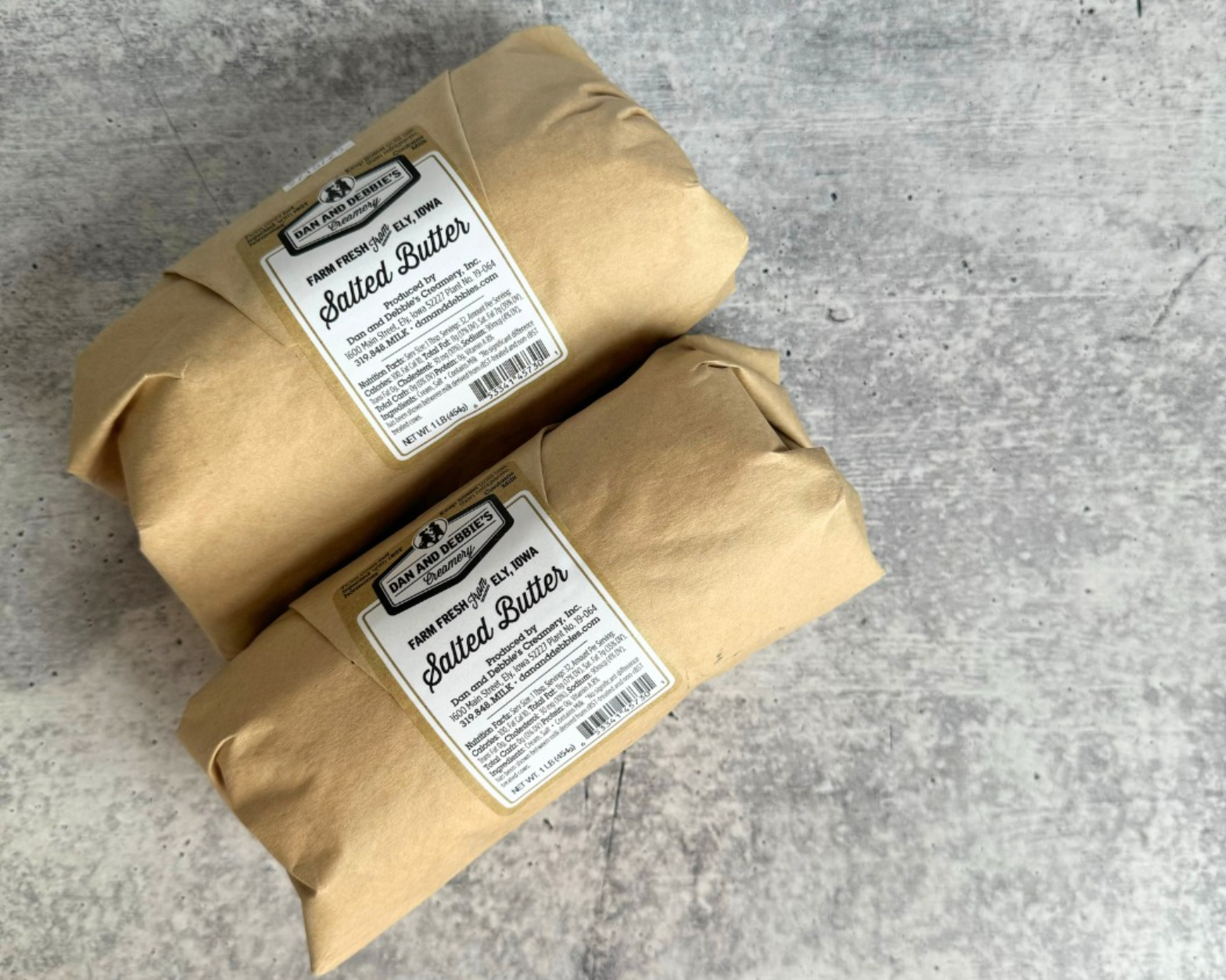
Packaging is often the first physical interaction a Buyer has with your Farm Brand outside of the market or digital store. It is crucial to consider the "unboxing experience." When a customer opens a package that is neat and thoughtful, they appreciate the quality of the Products inside even more.
Keep it simple: You do not need an Apple-level budget to create a professional experience. Simple, intentional touches go a long way.
Custom touches: Use butcher paper stamped with your logo or high-quality tape that features your Farm name.
Re-engagement: Every box should include a way to spur the next sale. Include a QR code linking to your store, a thank you note, or a Farm sticker.
Mobile Billboards: If you offer tote bags for local pickup, remember that customers often reuse them. A branded bag at a soccer game is free advertising for your Farm.
Simplify Inventory for All Household Sizes
A common mistake is offering only bulk options that exclude a large portion of potential Buyers. Data shows that roughly 1/3 of Americans live alone, 1/3 live in two-person households, and only 1/3 live in households of three or more. If you only sell "whole cow" or large bulk orders, you may be missing out on 97% of your market who do not own a chest freezer space or the 80% of Americans who lack the cash flow for such a large upfront purchase.
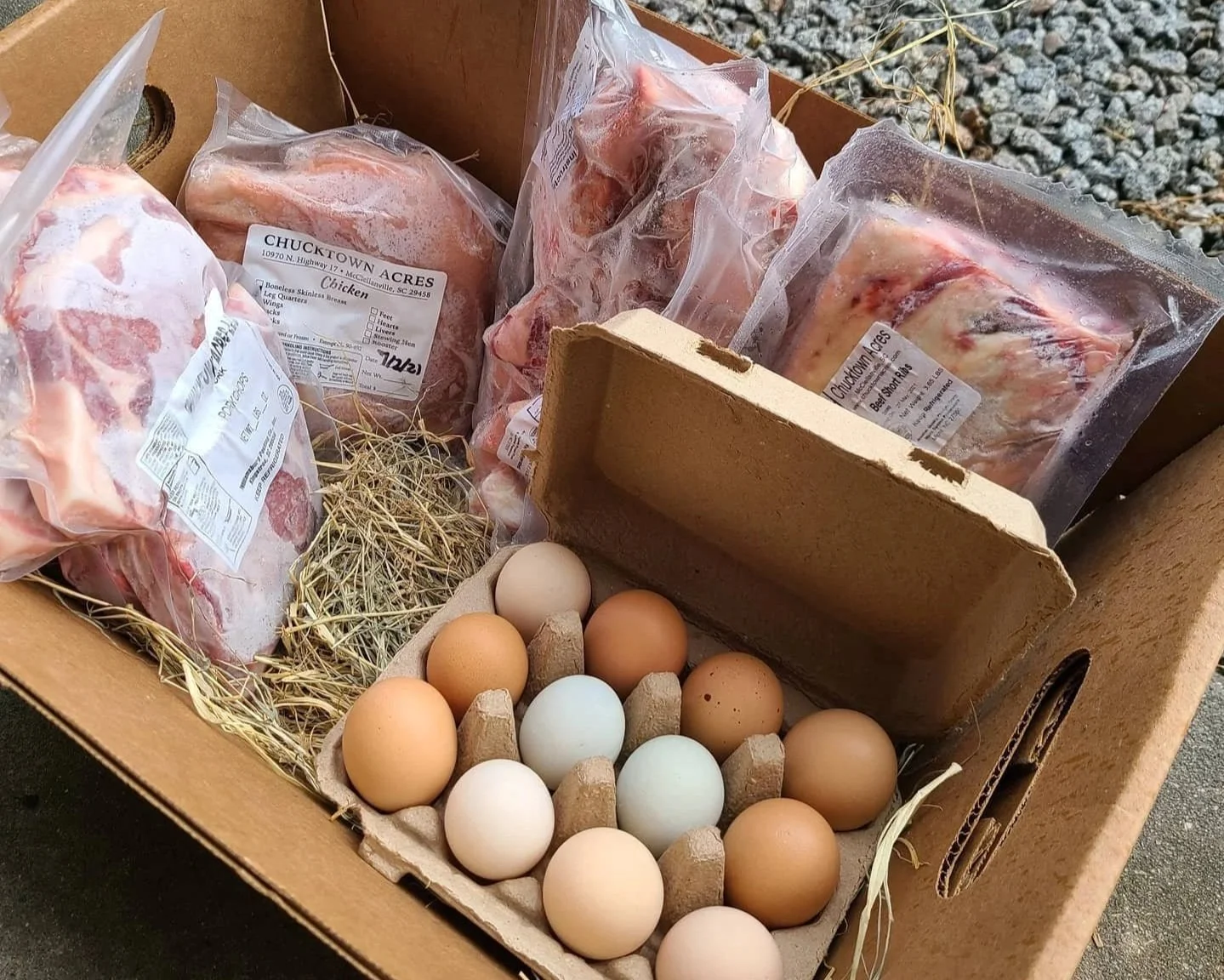
Offer Variety: Create Bundle Boxes tailored to different sizes (e.g., a 10 lb box for a single, 20 lb box for couples, and a 40 lb box for families).
Increase Accessibility: Smaller bundles open your doors to customers who want convenience but cannot commit to a quarter, half, or whole animal.
Increase Average Order Value with Bundles
Successful Farms aim to become a "one-stop shop" for their Buyers. The goal is to save your customers a trip to the grocery store while increasing your share of their wallet.
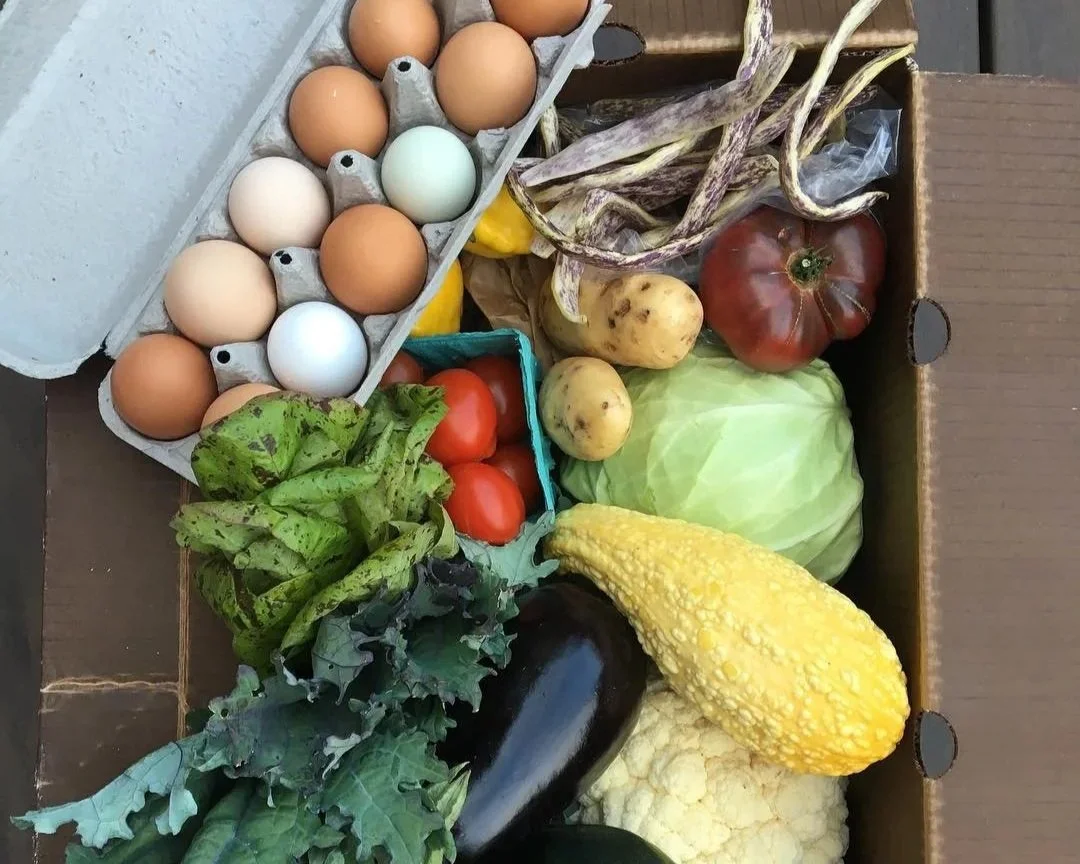
Create "Meal" Boxes: Instead of selling items individually, group them into convenient bundles like a "Breakfast Box" containing eggs, sausage, and bacon.
Partner Locally: Collaborate with other local businesses to fill gaps in your inventory. For example, pair your dairy or eggs with coffee beans from a local roaster. This increases the box value and opens up cross-marketing opportunities.
Subscriptions
Buyers love the convenience of a Subscription. The average consumer already maintains 7-8 subscriptions, meaning they are accustomed to the model. Buyers are willing to pay for the "set it and forget it" ease of having high-quality food delivered to their door. Encouraging Subscriptions secures recurring revenue for your Farm and drives higher spending among your Buyers. Data shows that subscribers often spend 75% more than one-time Buyers by adding extra items—like honey, eggs, or seasonal specials—when they receive their order reminders.
Manage Inventory: “Farmer’s Choice” Subscriptions allow you to decide what goes into the box based on what your available inventory is. This helps your Farm move less popular cuts alongside high-demand items like steaks and ground beef.
Reduce Decision Fatigue: Most Buyers want to be told what is best and in-season. By curating the Subscription box, you remove the friction of having to choose individual items. For the small percentage of "picky" Buyers who want specific products, they can simply build their own order à la carte in your store.
Educate: If you include an unfamiliar cut, include a recipe card or cooking tip. Educating your Buyers transforms them into confident cooks who trust your recommendations.
Moving Unique Cuts and Byproducts
Every animal has parts that are harder to sell than steaks and bacon. Innovative packaging and renaming can turn these "waste" Products into profit centers.
Rebrand: If "stew meat" isn't selling in the summer, rename it "Kebab Cuts" and market it for grilling.
Value-Add: Turn organs into "Carnivore Blends" (mixed with ground beef) or dehydrate chicken/duck feet for high-value dog treats.
Incentivize: Use high-demand items (like bacon or filet mignon) as rewards that are only available to subscribers or those purchasing larger bundles.

Conclusion
To build a sustainable business, you must know your costs. Be sure to understand your labor, time, and inputs so you can set a premium price that ensures an attractive profit margin for your Farm business. Once you know your numbers, focus on your ideal customer—whether they are a single-person household or a large family—and package your Products to meet their needs for convenience and quality.
Barn2Door offers software for Independent Farmers to make more money, ditch the office work and look like a pro. If you’re curious to learn more, watch this 5-minute video.