
Price Your Farm Products for Maximum Profit
As an Independent Farmer, transforming your Farm from a hobby into a six-figure business requires a plan and strategy to price your products for maximum profit. Learn how to price your Farm products by keeping your Buyers in mind, increasing product value, and building a strong financial system. Consider implementing these top three pricing strategies to make more money and scale your Farm business.
How to Price With Your Buyer In Mind
Maximizing your Farm’s margins starts with a simple shift in perspective: putting yourself in your Buyers’ shoes — what are they willing to pay for your local Farm products? To move your entire inventory, you must bridge the gap between your Farm’s hard work and the Buyer’s kitchen table. When you prioritize professional branding and proactive education, you build the trust and demand necessary to command premium prices for your products.
Branding: With professional branding, Farms can command premium pricing for top-quality products, as it directly increases the perceived value of your items with Buyers. By providing an attractive brand experience through your packaging, your website, and your email, you build Buyer trust and look like a pro. The stronger your professional image, the more a Buyer is willing to pay for your products, making your branding a key component to pricing.
Education: Before committing to a purchase, Buyers want transparency: how, when, and where their food is produced, harvested, and delivered. Consider using your emails, website, and social media to share your practices and credentials. Sustainable practices and Farm certifications (e.g., USDA Organic, AWA, CNG) demonstrate the benefits of locally grown food and the quality of higher-value products. As Buyers learn more about your Farm practices, they will better appreciate your hard work and pay more for your products.
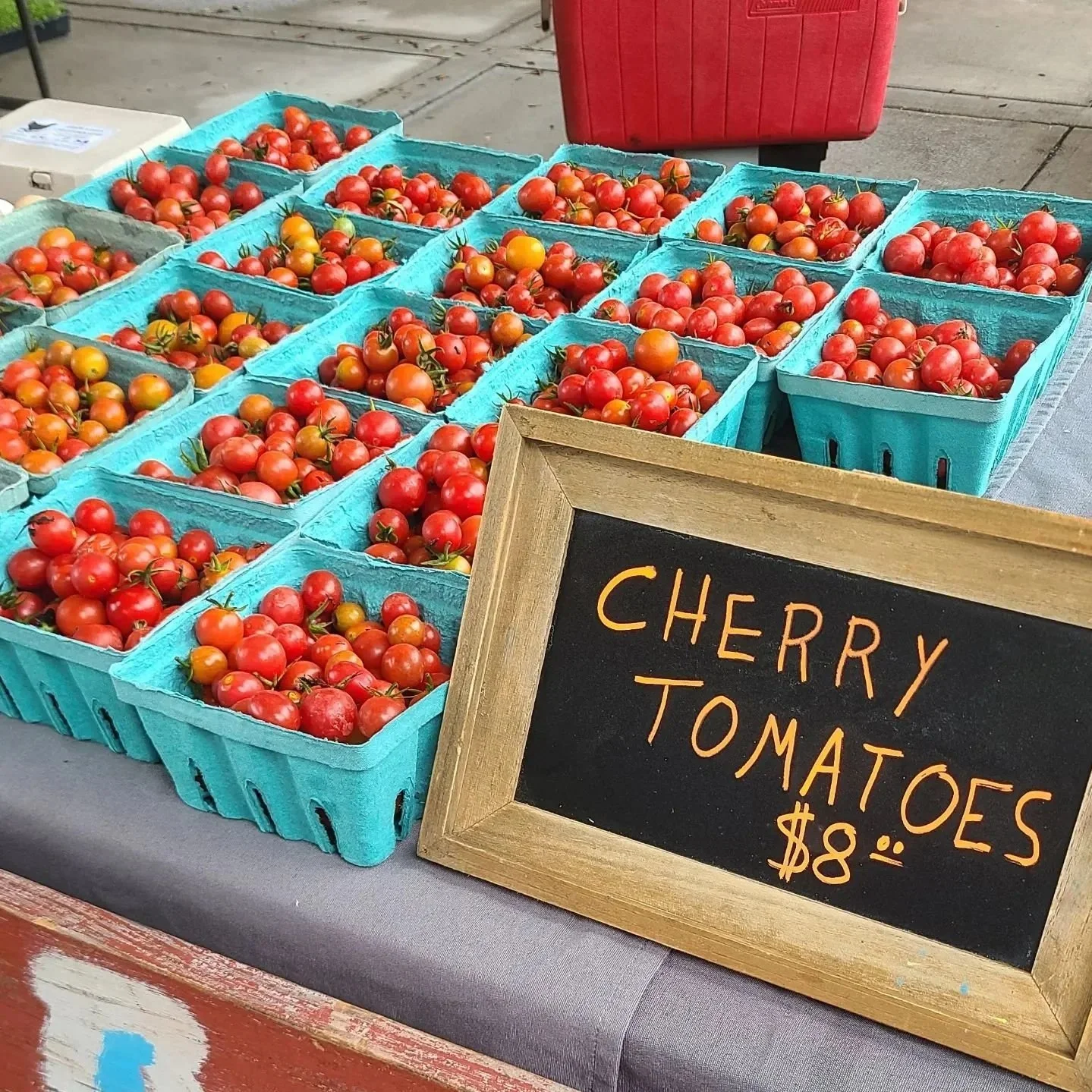
Product Demand: Attractive products (e.g., chicken breasts, beef filets, strawberries, morels) should be priced higher to ensure inventory moves at a steady rate that your Farm can keep up with demand. This allows you to moderate the prices of lower-demand products (e.g., pork chops, roasts, salad mix), to offer more budget-friendly options. This creates something for a wider base of Buyers, making local food more accessible to your community.
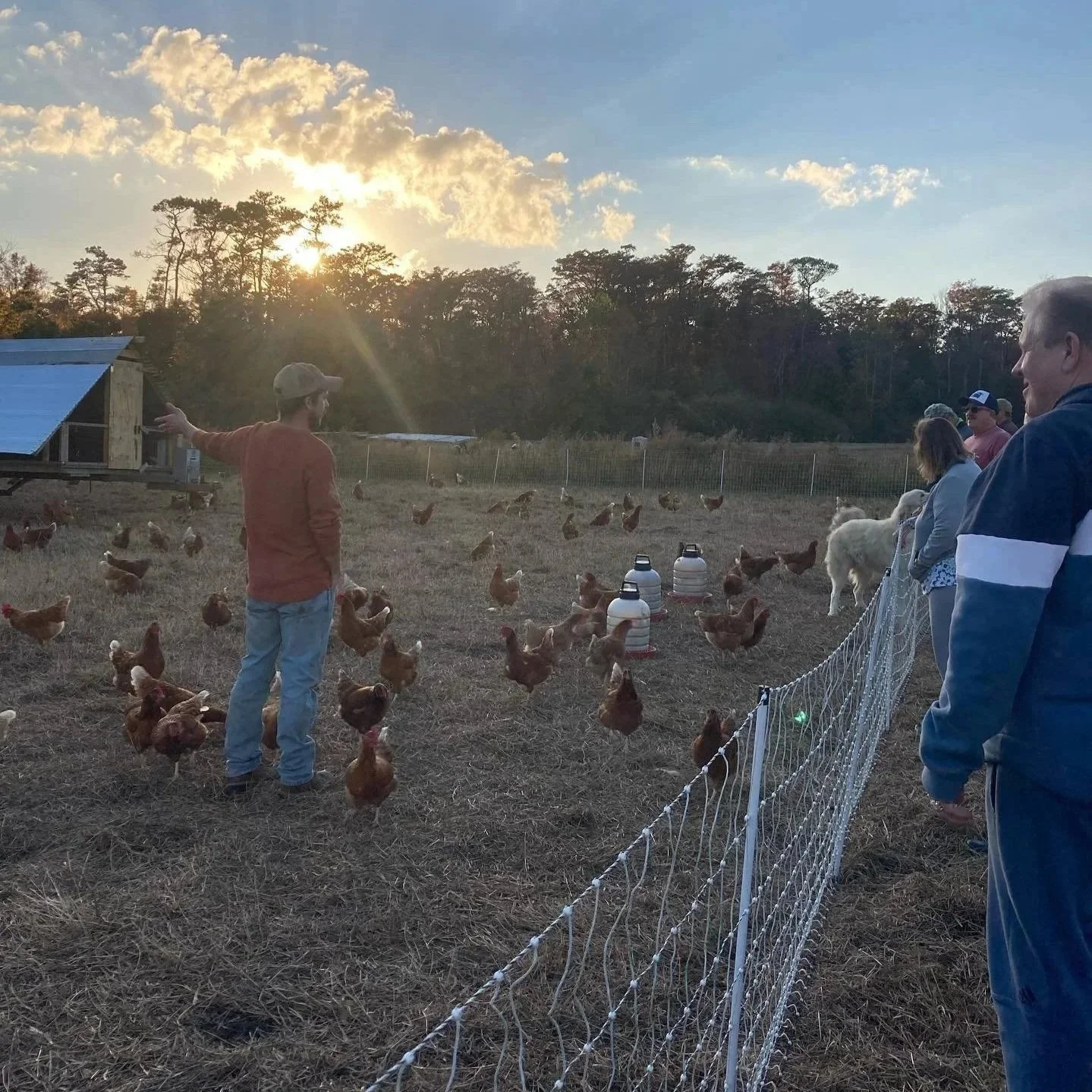
Farmer Tip: “Our bulk Buyers get free tickets to our Farm tour, which is really great for customer loyalty and retention. It's an extra perk. We might not be offering 20% off, but you're getting this gift when you pick up your products, and a free farm tour. That is a value for us.” – Rachel, NC
How to Increase Your Product Value
In the “Amazon” and “UberEats” era of e-commerce, convenience is one of the top drivers for Buyers to pay a premium for any given product. To capture 9 out of 10 Buyers who want to purchase local food, Farmers must strategically invest in convenient options to access their products. By making your Farm products easily accessible (e.g., delivered to your doorstep or available for local pickup), you can optimize their value and maintain profitable pricing.
Bundle Boxes: Bundle Boxes give Buyers the opportunity to try a wider range of products and fall in love with your Farm’s diverse offerings. This is especially true if a Buyer has only shopped at grocery stores up to this point. A one-time purchase Bundle Box requires no commitment for the Buyer and is a low-hanging opportunity for your Farm. This drives loyal Buyers to proceed with subscriptions (as a next step) for consistency and to find additional favorite items to add to cart.
Subscriptions: Building a loyal subscription base will help drive your inventory to sell out on its own and lock-in recurring revenue. With subscriptions, Buyers can “set and forget” their regular purchase, as they are willing to justify the premium price point for the convenience of not buying items individually (and save time by eliminating a routine errand). With subscription Bundle Boxes, Farmers can increase their products’ perceived value and increase order sizes for maximum profit.
Farmer-Recommended Subscriptions (CSAs): Farmers can increase margins and generate year-round flexibility with Farmer-Recommended Subscriptions. Buyers trust your recommendations with respect to the “Freshest” products (aligned with your harvest seasons), and you can move more inventory. Additionally, Buyers gain renewed excitement about paying for your diverse Farm offerings.
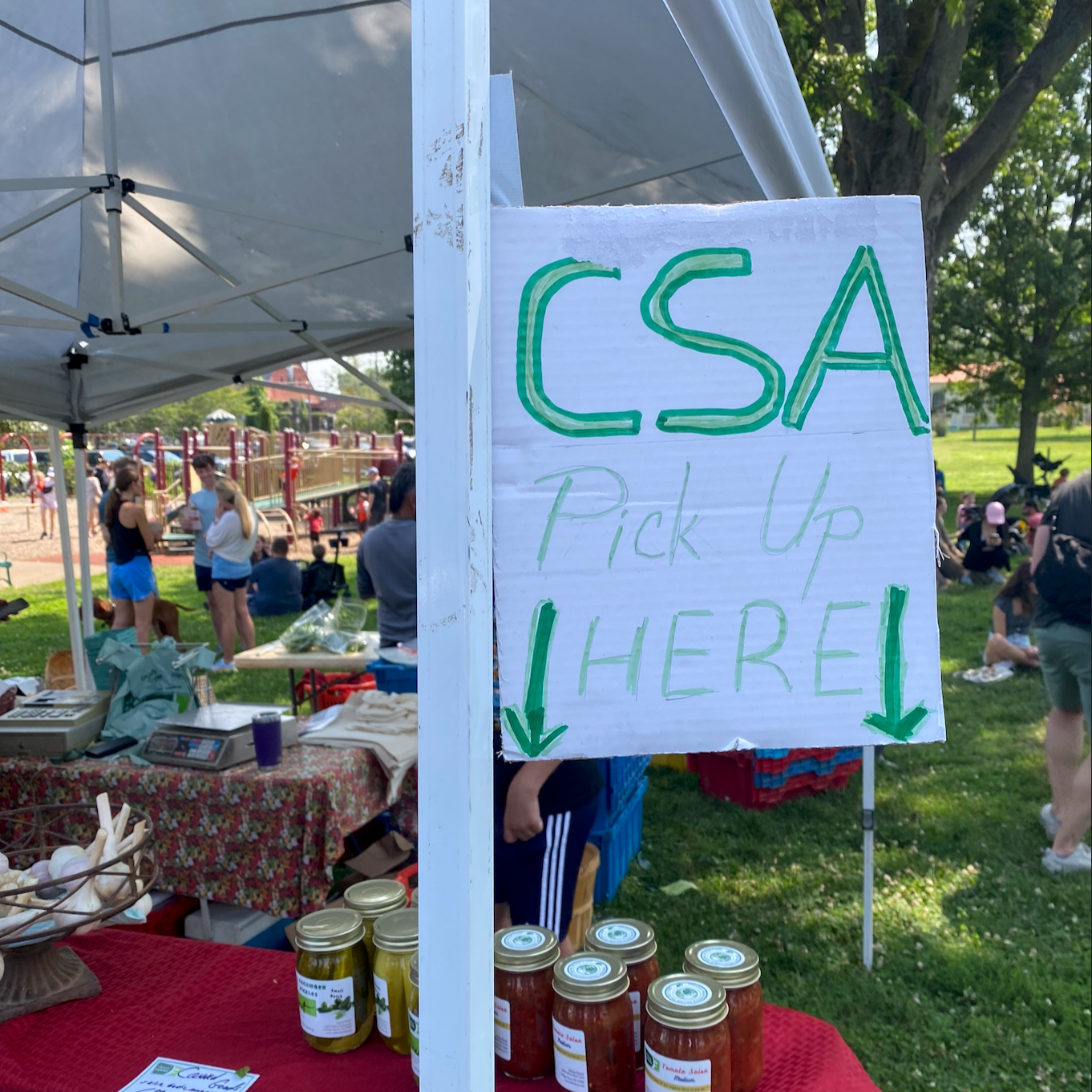
“Barn2Door really helped us scale and streamline our subscriptions in a way that we weren't doing before, which enabled us to Farm full-time after the first year we signed up with Barn2Door. We had 30% of our income guaranteed every single month with subscriptions thereafter.” - Shenk, (NC)
Understanding Your Own Farm Costs
After conveying more product value with a trustworthy brand and adjusting pricing upwards, the next crucial step is to ensure you understand all of your baseline Farm costs. Analyzing all your costs will provide a strong foundation for final product pricing adjustments to ensure strong margins. Whether you’re a large Farm who has a bookkeeper, or just starting out with tracking your numbers in a spreadsheet, it is vital to organize your costs to accurately price your products to maximize your profit margins.
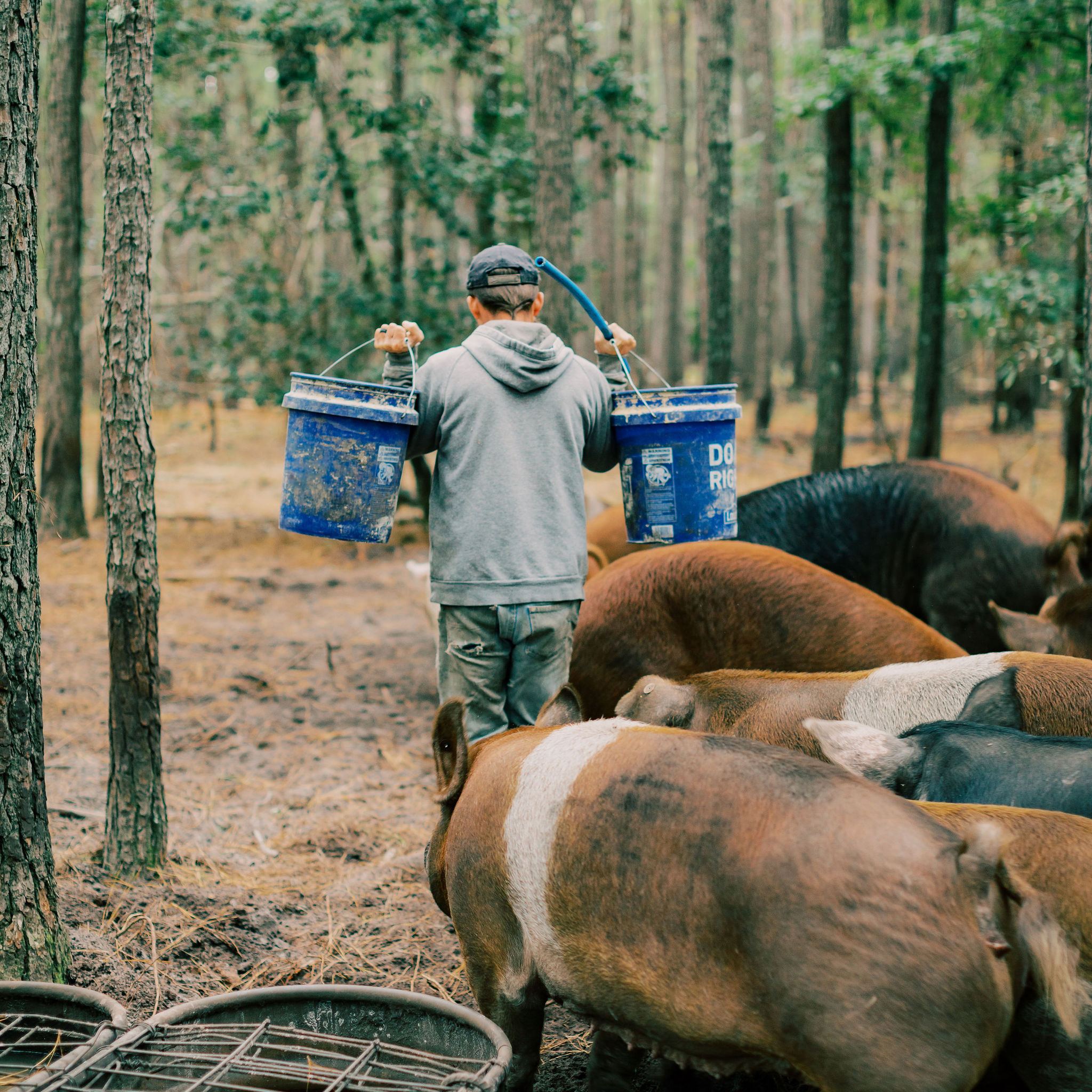
Input Costs: Be sure to capture all raw costs associated with the production, growth, and harvesting of your Farm products. This should include any acquisition costs (e.g., seed, hatchlings, calves), supplements (e.g., fish fertilizer, feed), and water. It all adds up and should be tracked over the course of the entire year.
Labor Costs: Be sure to pay yourself a living wage. Additionally, include estimated wage increases for yourself and employees year-over-year, plus employer taxes. Remember, you shouldn’t be paying to be a Farmer. Take the time to factor a viable Farm income (and personal financial goals) to ensure the actual costs of production are well understood.
Track Overhead and Expenses: Create a habit of tracking all of your additional overhead (e.g., land leases, real estate taxes, vehicles) and every related expense (e.g., fuel, maintenance, marketing, software, insurance) to manage your Farm business. Not only will this help you prepare for tax season, but it will also identify gaps where you are wasting money. Tracking expenses from the beginning will help you spend less time on 'office work' and more time out on the Farm.
Plan for Unexpected Future Expenses: Keep your future financial goals in mind to map costs against inflation, rising costs, and/or large unexpected expenses (e.g., new roof on the barn, equipment replacement). If you notice that operation and processing costs are increasing, plug those numbers into your financial model and raise your prices.
By tracking all of your Costs (Inputs, Labor, Overhead, and Planned Expenses), your Farm gains a holistic picture of your Actual Costs and can identify pricing adjustments to maximize your profit margins (and avoid losses). Always plan for a rainy day and unforeseen expenses — life happens, you should expect the unexpected.
More importantly, once you have an accurate financial picture of your Farm business, dive into analyzing profitability by product category (e.g., beef, pork, fruits, vegetables), and make better-informed decisions on where to invest.
Ultimately, if no one complains about your pricing, then your prices are too low. Raise your prices consistently to reflect the premium value your local Farm has to offer. Don’t expect a premium price to be pleasing to all of your existing Buyers. Your Farm is not a non-profit — you must make a healthy profit margin to stay in business (with healthy net income, your Farm can then afford to be more generous to those less fortunate). As a result, you may shed some Buyers year-over-year as your prices increase, but you should always consistently seek to attract new Buyers who are willing to pay a premium for the quality and convenience of your Farm products.
Conclusion
Building a trustworthy Farm brand and pricing your products to maximize your profit margins is the key to scaling your Farm operations and building a viable income. Whether it’s educating Buyers, building a Subscription model, or tracking your Farm expenses, there are numerous tactics to improve your business acumen and take your Farm to the next level. By implementing a few of these strategies, your Farm can command a premium price for your product value and convenience, achieve your financial goals, and make more money.
Barn2Door offers software for Independent Farmers to make more money, ditch the office work, and look like a pro. If you’re curious to learn more, watch this 5-minute video.