
Delivery Best Practices for Packaging and Timing
In the modern marketplace, convenience is the currency that drives growth. As an Independent Farmer, your competition isn't just the Farm down the road—it’s the convenience of "Big-Box" grocers. To scale your Farm operations and attract more loyal customers, you must meet Buyer expectations of convenience with direct delivery.
When a Buyer orders from your Farm, the "unboxing experience" is their first physical touchpoint with your brand. A professional experience is the difference between a one-time purchase and a loyal Subscriber.
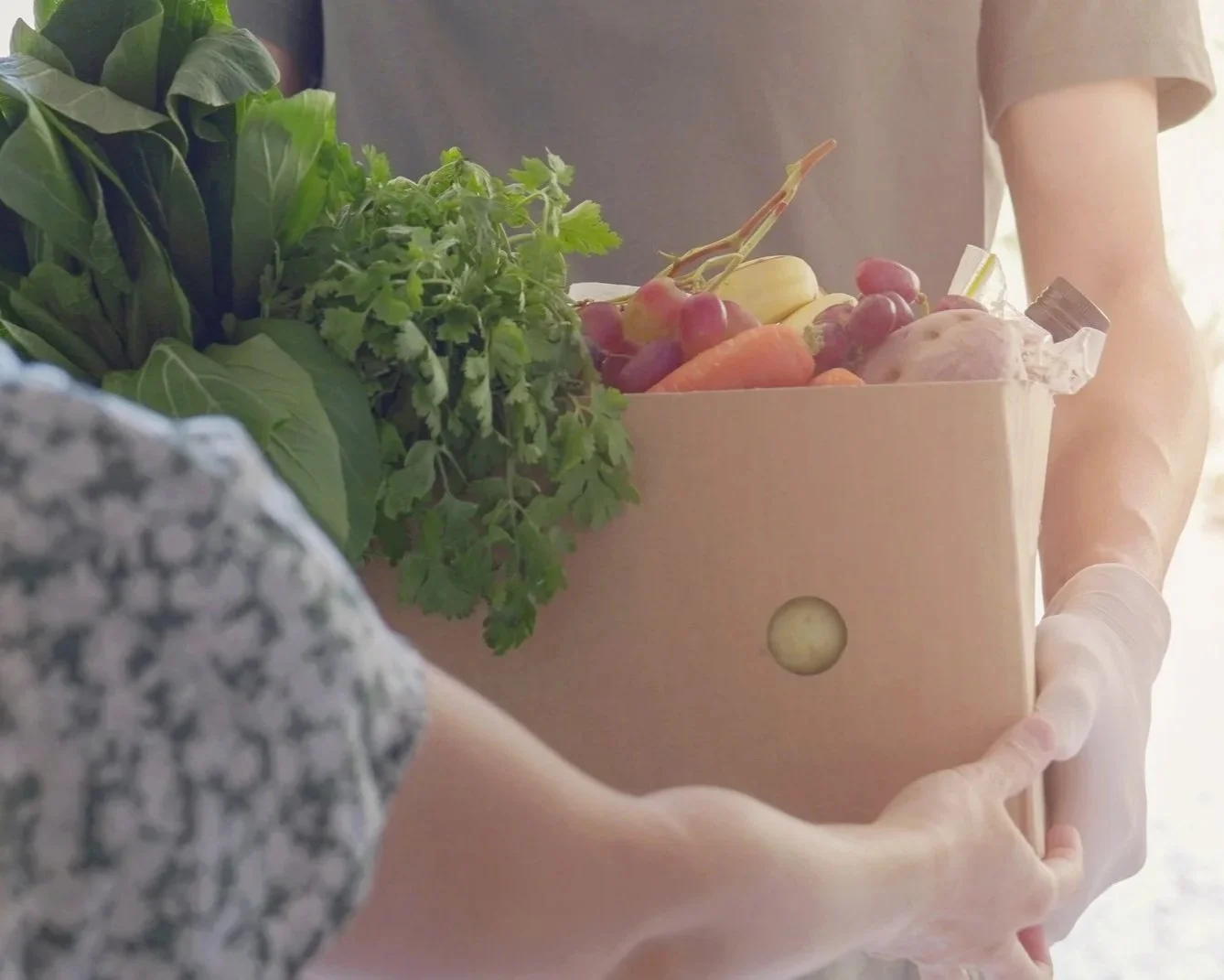
What are the Best Practices for Packaging?
Packaging is more than just a container; it is a promise of quality and safety. Your packaging should reflect the premium nature of your sustainably raised products while ensuring they arrive in pristine condition.
1. Package Products in Easy-to-Handle Bags or Boxes
Buyers value ease of use. Whether they are professional couples or busy parents, they want a package that is easy to carry from the porch to the kitchen. Avoid oversized, flimsy, or awkward containers. Sturdy, right-sized Tote Bags or Boxes allow you to standardize your fulfillment and make it simple for the Buyer to manage their freezer or fridge space (plan ahead for 10lb, 20lb, or 40lb "Bundle Boxes").
2. Prioritize Insulated Tote Bags
For local delivery loops, Insulated Tote Bags are the gold standard. They serve two critical purposes:
Product Freshness: Tote Bags are insulated ensuring that your pastured proteins and dairy stays at a safe temperature and your produce remains crisp and fresh, until the Buyer can retrieve their products off the front porch. Cardboard boxes can also serve as an alternative with flexible insulation or dry ice (which is more expensive).
Easy Packing: Tote Bags offer the most flexibility and simplicity when it comes to packing into a delivery vehicle, versus rigid cardboard boxes and coolers. Additionally, Tote Bags are reusable, which aligns with the sustainable values of your Farm Brand and provides ongoing no-cost marketing exposure for your business.
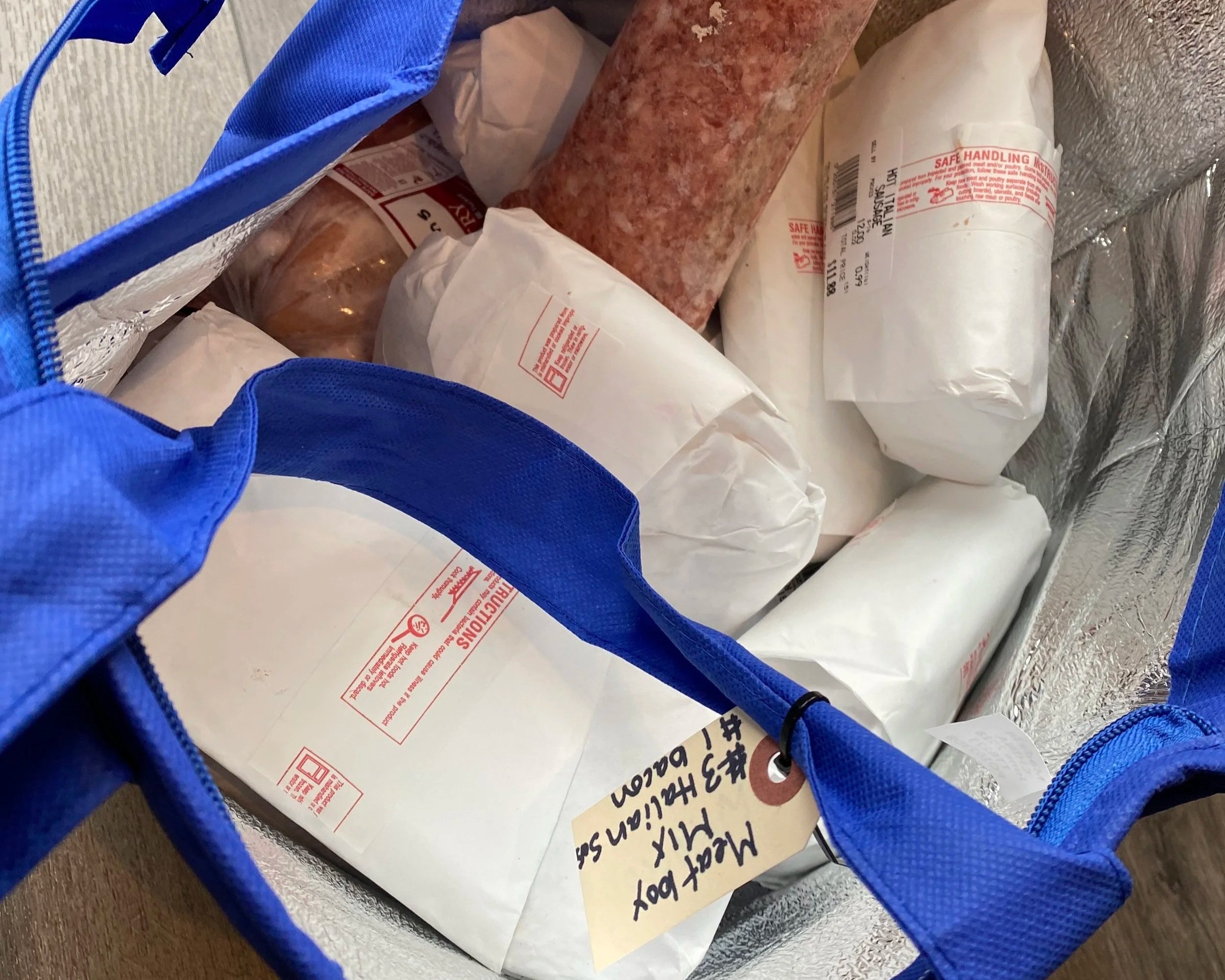
3. Clear Delivery Labels and Buyer Details
Every package must have a clearly visible delivery label to ensure Drivers validate the recipient, and can troubleshoot any Delivery hurdles (e.g. a gate code). At a minimum, your Delivery labels should be attached / appended to the outside of your Packaging and include:
Buyer’s Name and delivery Address.
List of Items included (from the Pack list), so Buyers can verify their order at a glance.
Any special handling instructions (e.g., "Keep Refrigerated")
Note, Barn2Door provides every Farmer with automated Labels and Branded Receipts (to include inside your package), to make it easy for the Farmer, and transparent to Buyers.
4. Brand All Your Packaging (With a QR Code)
All your packaging serves as a "mobile billboard" on the doorstep of your Buyers. Every bag or box should be branded with your Farm’s logo and a QR Code. Curious neighbors will often scan the QR code to capitalize on the convenience of local Delivery (and be taken directly to your online store to make their own purchase). This is another no-cost marketing tactic to help your Farm acquire more emails and increase Buyer density for local Delivery.
What is the Best Timing for Consumer Delivery?
To build a loyal customer base, you must deliver your Farm Products when it is most convenient for your Buyers. Given seasonal weather fluctuations, leaving packages for an extended duration on the doorstep can be problematic. Remedy this issue with timely delivery windows.
1. Weeknights and Weekends are the "Sweet Spot"
Busy families and professional couples are away from home during the standard 9-to-5 workday. To prevent products from sitting on the porch for hours, focus your delivery windows on Weeknights and Weekends. This ensures that the Buyer is available to retrieve the delivery in a timely manner, maintaining the "cold chain" and quality of your food.
2. Offer Early Evening Windows
On weeknights, the ideal window is 5:00 PM to 9:00 PM. This is when families are beginning their evening routines and meal preparations. By delivering during this time, your Farm becomes the solution for any product shortcomings in their store room, rather than an extra errand they have to worry about after-hours.
3. Incentivize Recurring Orders (Subscriptions)
The most successful Farms use Delivery to fuel Ongoing Subscriptions. While one-time orders provide a nice revenue boost, Subscriptions provide the "Netflix-style" of recurring revenue that offers financial security for your Farm (and food security for Buyers).
Offer a Discount: Give Buyers a small incentive (e.g., Save 5-10%) for committing to a Bundle Box Subscription on a recurring basis (weekly, bi-weekly, monthly).
Guarantee Availability: Let Buyers know that Subscribers get "first dibs" on high-demand items ahead of other customers. This may include “unlocking” access to specialty products.
4. Buyers Expect to Pay for Delivery
A common mistake that Farmers make is fearing that delivery fees will drive Buyers away. On the contrary, modern consumers expect to pay for grocery delivery. They understand the cost of fuel and labor. By charging a fair delivery fee or setting a minimum order value (e.g., $100+) for free delivery, you protect your profit margins while providing a service the Buyer truly values.
Start Offering Farm Delivery with Barn2Door
Implementing professional packaging and optimized delivery routes is simple with the right software and logistics partner. Barn2Door provides the software that Independent Farmers need to manage orders, automate pick/pack/labels, and grow a base of recurring Subscription Revenue. Make more money and save time with Delivery-as-a-Service from Barn2Door to delight your Buyers and attract more customers.
Curious to learn more? Watch this 5-min Demo.