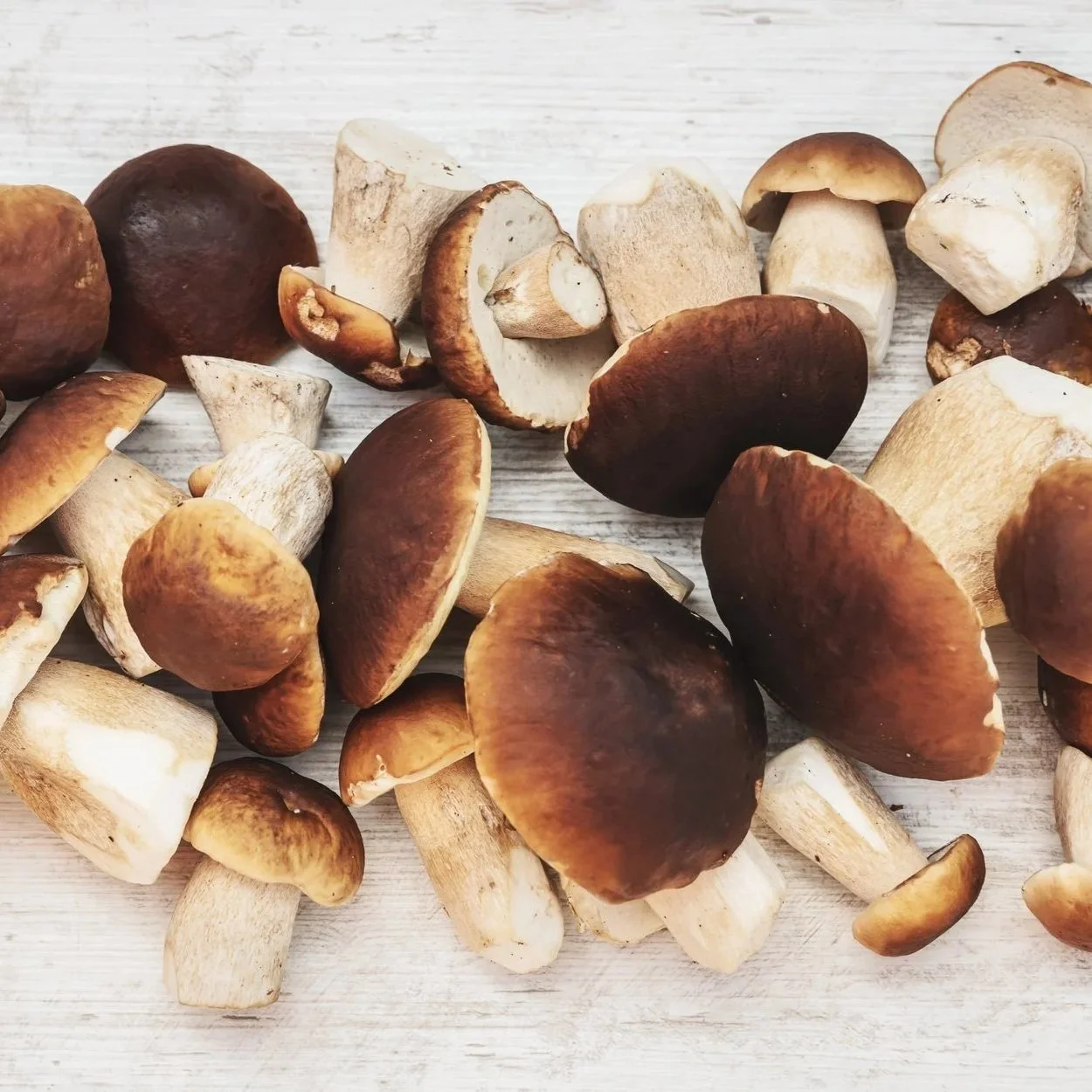
Mushrooms are a sustainable, one of a kind agriculture practice that is often ideal for Farmers looking to start or scale their operations with a highly profitable product. With their variety of health benefits and culinary versatility, Buyer demand for fungi has rapidly grown over the last decade.
To achieve maximum profitability, it is essential to evaluate all aspects of growing mushrooms and understand the best practices. This includes consideration of the planting process, the price your Buyers are willing to pay and the different selling tactics to flourish in your target market.
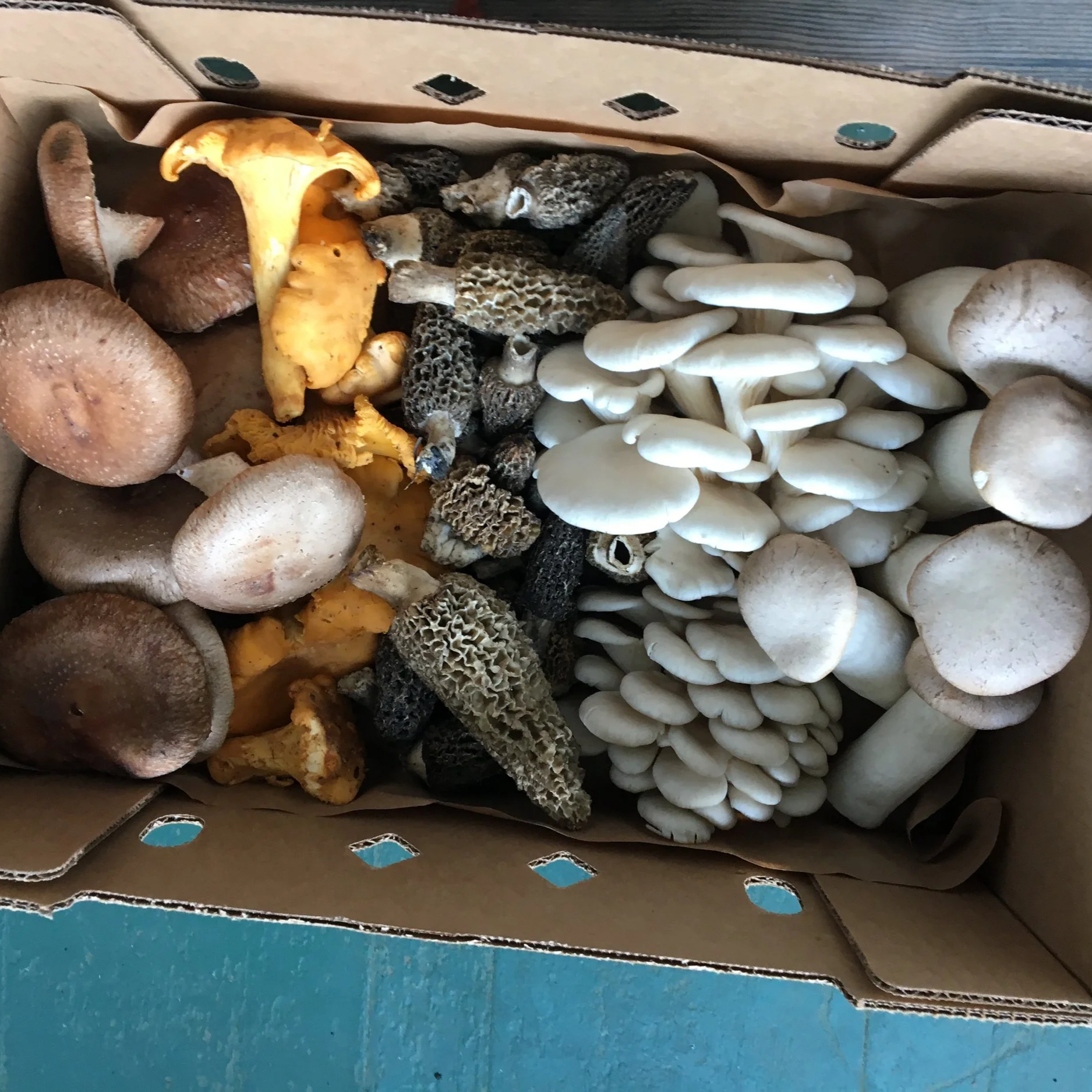
Mushroom Farming Business
Why grow mushrooms? Unlike most agriculture products, mushrooms can be highly scalable and space friendly for Farmers. Mushroom setups are incredibly flexible, requiring as little as one square foot or scaling up to 1000’s of square feet. Additionally, Mushrooms never go to waste with their product versatility and compost opportunities.
Grow Mushrooms For These Benefits:
Contains properties to support brain and heart health.
Used to boost immune systems and contains anti-inflammatory properties.
A flavorful protein packed ingredient to add into any dish or recipe.
With over 14,000 species of mushrooms there is an opportunity to grow just over a dozen of these species. Growing mushrooms provides a variety of commitments from easy to grow types like Oyster to more unique types like Lion’s Mane. Fungi are a viable option for Farmers of any level.
Top 5 Mushrooms for Small-Scale Farming:
| Mushroom Type | Difficulty | Profitability | Avg. Start Cost (Small Scale) |
|---|---|---|---|
| Oyster (Pearl/Blue) | Beginner | Moderate | $300 – $600 |
| Pink Oyster | Beginner | High | $300 – $600 |
| Lion’s Mane | Intermediate | Very High | $500 – $1,200 |
| Shiitake | Intermediate | High | $450 – $900 |
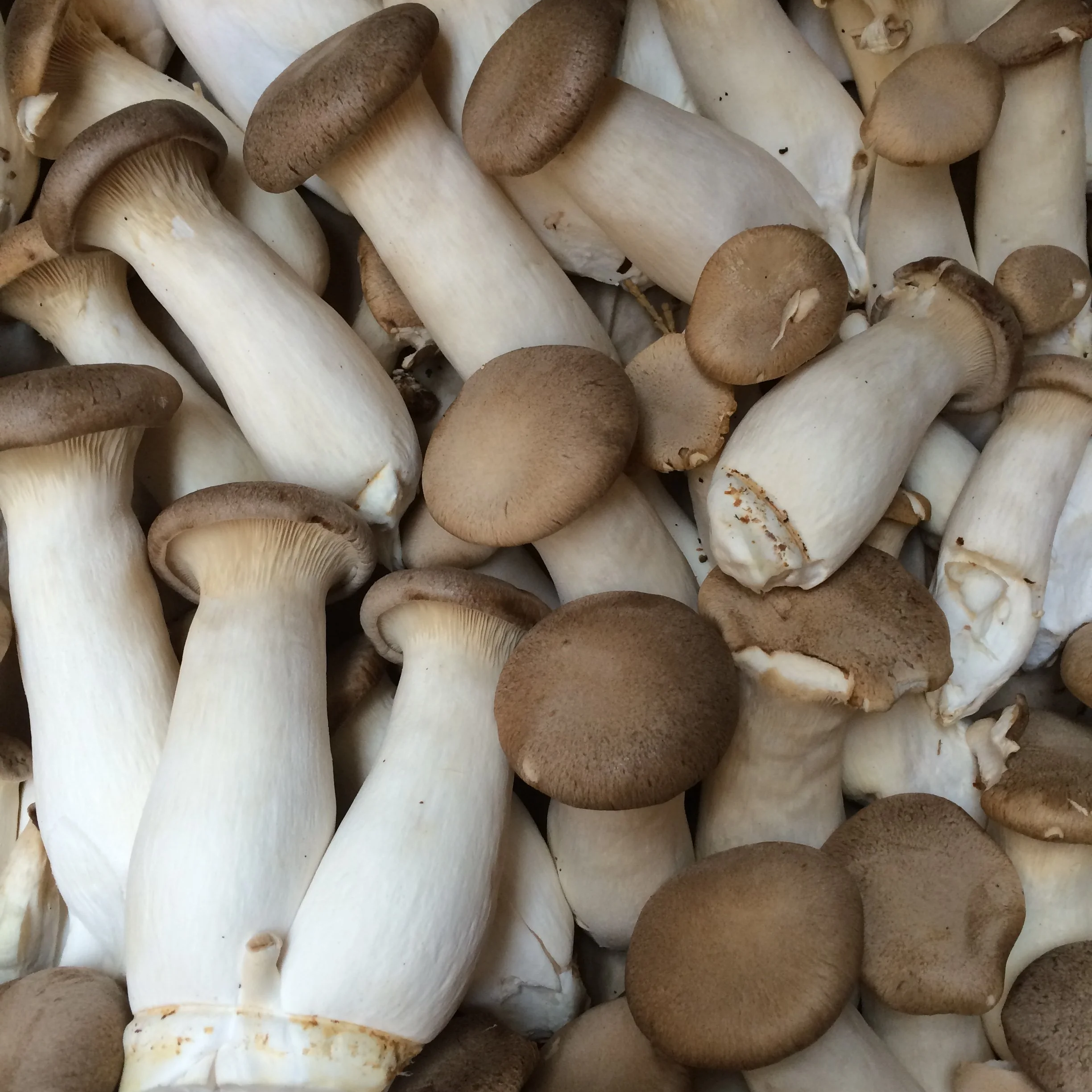
| King Oyster | Intermediate | High | $600 – $1,300 |
Spore to Harvest: Planting Mushrooms
Mushrooms are often best grown in moist, indoor environments such as dark barns, mushroom houses and even shipping containers! Their environments require plenty of water, food and oxygen to reach the best maturity stage. Mushrooms are planted with spores not seeds, so it is crucial to get the correct starter kit for the environment.
While spores act similarly to seeds, they are microscopic reproductive units that require a specific habitat to produce mass quantities. Many successful Farmers choose to order spores from various regions (e.g Pacific Northwest, Northern California) to bring a high quality offering to their local community.
Harvesting occurs 15-21 days after peak maturity to then be collected over a couple days. When picked too fast during harvest, mushrooms can affect each other's growth stage. A 2-4 day picking period is preferred for each mushroom to reach their optimal potential, but will vary based on species.
How to Price Mushrooms For Profit
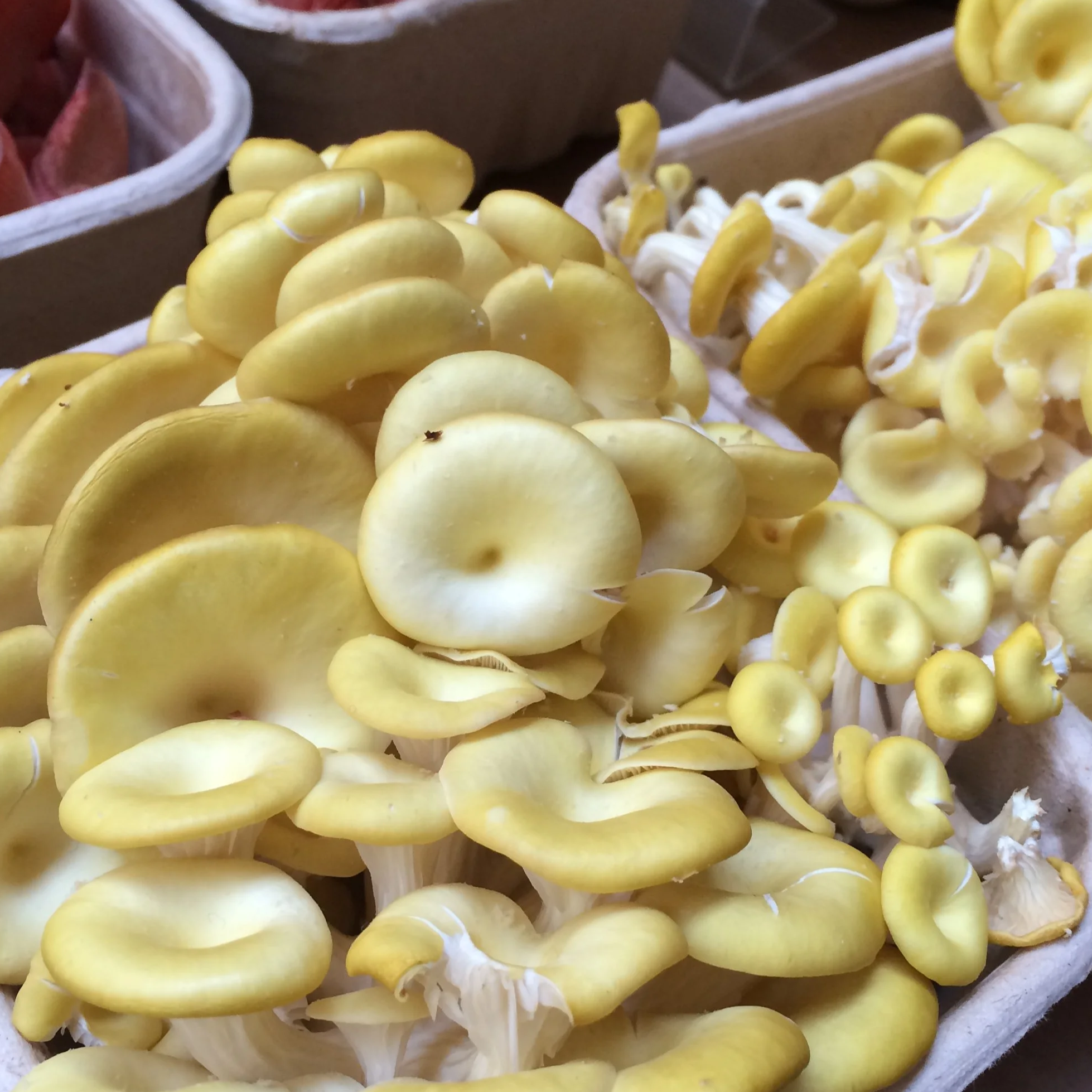
Research local competitor prices to get an understanding of what Buyers are willing to pay within your local community. Try to match around this price range based on the quality of product you plan to offer. In comparison, take a broader look at your overall region's Farm offerings to generate best pricing practices for your ideal Buyers.
Successful Farmers charge a per pound price to make sure they are capturing their products’ full value. Consider pricing differently for distinct mushroom varieties based on the harvest time, maintenance costs and rareness of contribution in your area.
How to Package Mushrooms
Mushroom Variety: Pair multiple mushroom types together to offer a convenient way for Buyers to experience a wider range of your products.
Sizing Options: Offer multiple bundle box sizes based on per pound (e.g. 0.5 lb for single, 1 lb box for couples, 2 lb for families ).
Subscriptions: Consider selling a Farmers Choice subscription box so that you are able to rotate through your inventory based on what Farm products are available. Remember, the average consumer maintains 7-8 subscriptions, this isn't a new concept to Buyers.
Read: Maximize Your Margins: Packaging and Pricing Strategies for Independent Farmers
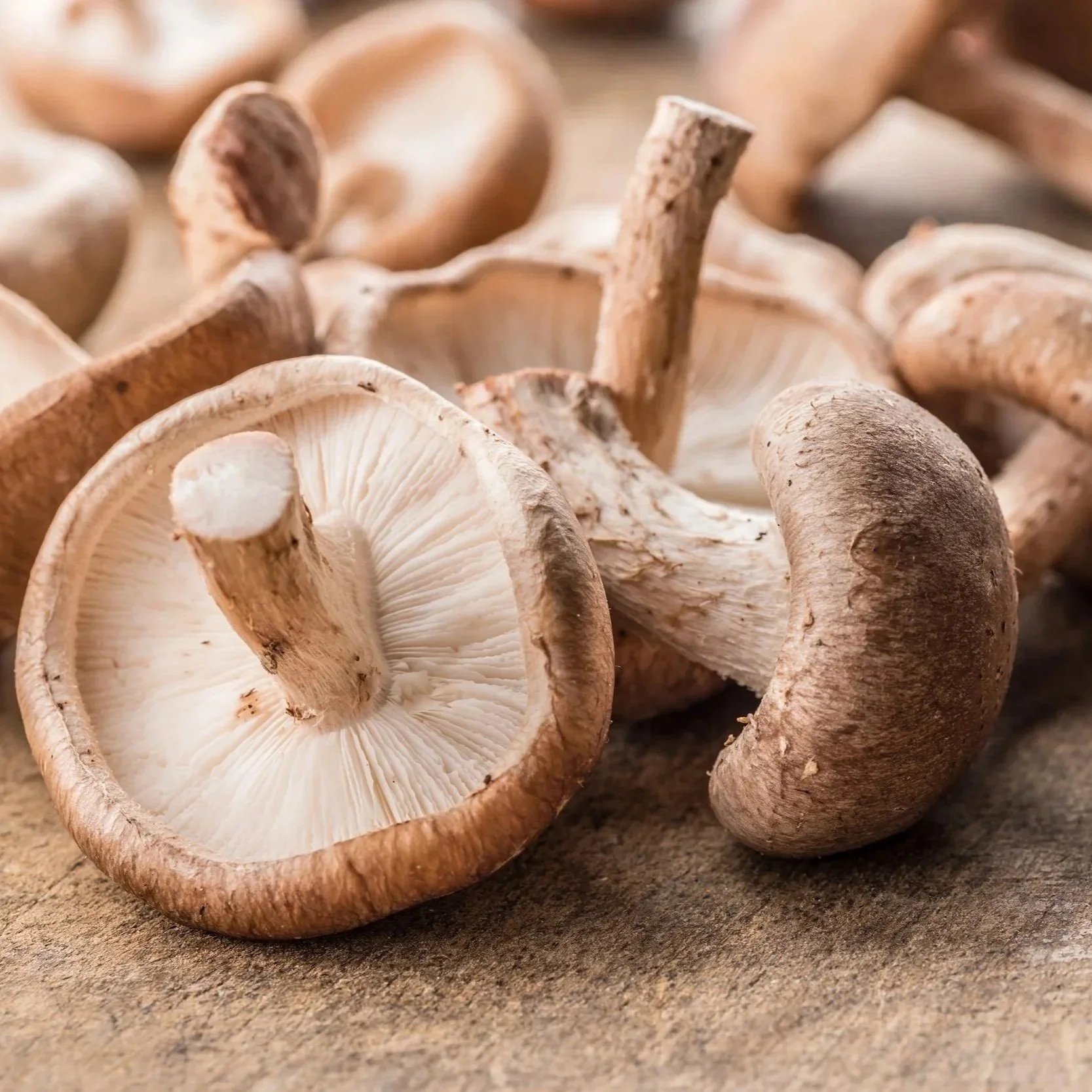
Revenue Diversification
Value-Added Products:
Savory Snacks: Explore adding offerings such as mushroom jerky, mushroom pickles or dried mushroom chips. Providing Buyers with a flavorful experience that is low in calories and high in health benefits.
Seasoning Packets: Whether it's to enhance your meat, roasted vegetables or savory sauces, use mushroom byproducts to create mushroom seasoning packets. Blend other complementary spices (e.g. garlic powder, salt, pepper) to offer Buyers a signature flavorful mix.
Grow Kits: Once you have become experienced in mushroom farming consider selling all-in-one small scale mushroom growing kits. Include the ready-to-go substrates and a simple set of growing and harvesting instructions for Buyers to follow.
Mushroom Powder: A nutritious, versatile powder that can be used in many dishes, coffees, teas, soups and sauces. This brings a savory flavor while providing health benefits such as natural immunity boosts.
Regenerative Items: Implement mushroom properties into skincare, supplements, and vitamin packets. Farmers use specific species to implement focus, energy and stress relief properties.
"You've really helped to get us to that next level and reach our potential. The timing of this couldn't be better because our markets will end soon and now we have a way to keep our sales consistent throughout the year!"
– Mushroom Farmer (MN)
Where to Sell Mushrooms
With perishable goods it is important to find local Buyers who can consistently move your inventory. Consider selling your mushrooms through pre-orders and subscriptions. Pre-selling mushrooms will secure Buyers with the “freshest” product; Subscriptions can be aligned with grow times to streamline your fulfillment process and keep revenue flowing.
Speciality festivals are the #1 location to sell mushrooms to reach the audiences who are seeking your item the most. Other opportunities include farmers markets, pop-up events or local community centers. In-person events create positive brand exposure and build local network connections.
Consider partnering with restaurants, food trucks, and catering companies as a wholesaler to offer them premium products to amplify their dishes. The majority of chefs who work at local restaurants are eager to buy local ingredients and will feature your product on their menu. Giving your Farm ideal credibility to attract potential Buyers.
Marketing Your Mushrooms
9 out of 10 Buyers rate “trustworthiness” important when choosing to purchase from a local Farm. Strengthen Buyer trust by sharing pictures of your mushroom displays, Farm practices and growing environments. Include informative context such as nutrient facts, regenerative properties and recipe pairings to educate Buyers on your product versatility.
Utilize positive reviews from Buyers to build an emotional connection with your audience and advertise Farming practice descriptions (e.g. organic, non-gmo). The more information you can market about your Farm practices, the stronger appreciation Buyers will have for your products.
Conclusion
Mushroom farming can be an attractive product to pursue due to the low commitment of space and variety of skill sets it accommodates. However, due to the product's uniqueness, it is important to first evaluate your local community to ensure a profitable market fit. To evaluate mushroom farming beyond a hobby, take time to understand the entire process, from planting the spores to packaging your final product. As you grow your mushroom business keep educating Buyers to build brand loyalty and leverage your direct to consumer market for growing profit margins.
Barn2Door offers software for Independent Farmers to make more money, ditch the office work and look like a pro. If you’re curious to learn more, watch this 5-minute video.